


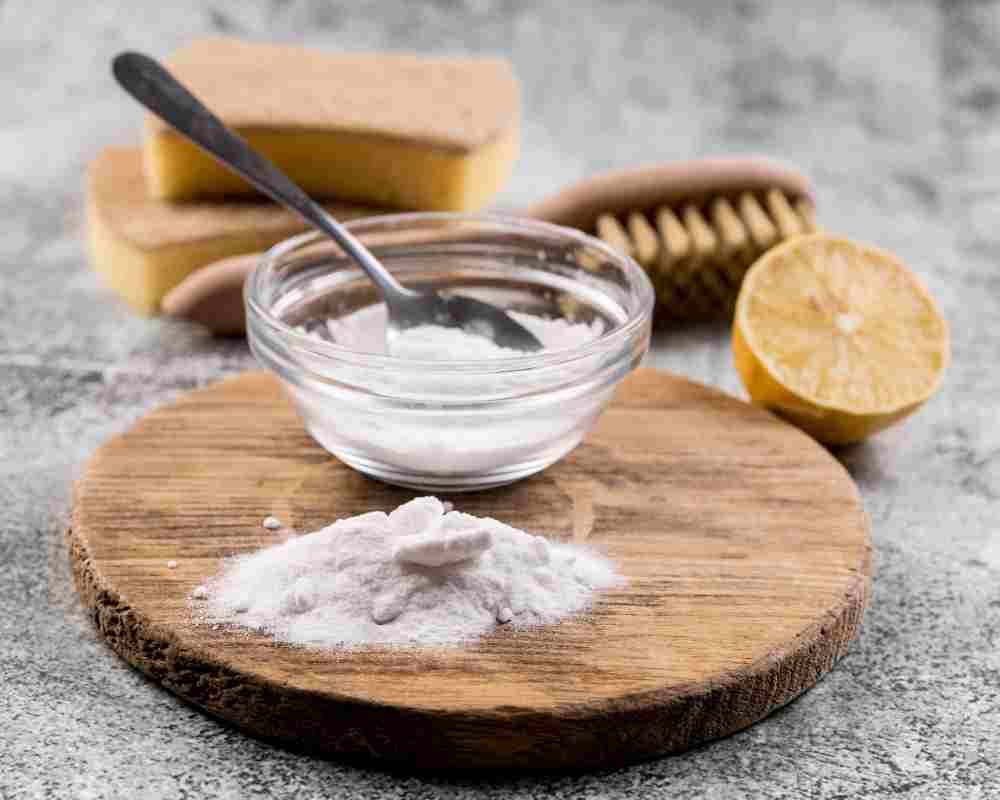
When dealing with yeast infections, particularly vaginal yeast infections, many individuals search for natural remedies that can help alleviate discomfort and promote healing.
Among the many home remedies available, baking soda baths have emerged as a popular and effective solution. This blog post will explore the healing properties of baking soda baths for yeast infections, how they work, the benefits they offer, and how to use them properly for the best results.
What is a Yeast Infection?
A yeast infection, also known as candidiasis, occurs when there is an overgrowth of yeast, specifically Candida albicans, in the body. While yeast is naturally present in small amounts in areas like the mouth, intestines, and genital area, certain factors can cause this yeast to multiply and lead to an infection.
Common causes of yeast infections include:
-
Antibiotics: These can disrupt the balance of bacteria and yeast in the body.
-
Hormonal changes: Pregnancy, menstruation, or the use of birth control can increase the risk.
-
Weak immune system: Conditions like diabetes or HIV can make the body more susceptible.
-
Poor hygiene: Wearing tight, non-breathable clothing or using harsh soaps can contribute to an imbalance.
The symptoms of a yeast infection can be uncomfortable and include:
-
Itching and irritation in the affected area
-
Burning sensation, especially during urination or intercourse
-
Redness and swelling
-
Abnormal discharge that may be thick and white, resembling cottage cheese
Can Baking Soda Help With Yeast Infections?
Baking soda, also known as sodium bicarbonate, is a versatile substance that is commonly found in most households.
It has been used for decades in various applications, ranging from baking and cleaning to personal hygiene and health treatments. When it comes to yeast infections, baking soda has several properties that can provide relief and help with healing.
✔️ Alkaline Nature: Baking soda is alkaline, and yeast infections often thrive in an acidic environment. By neutralizing excess acidity, baking soda creates a more balanced environment that is less conducive to yeast growth.
✔️ Antifungal Properties: While baking soda is not a direct antifungal agent, it has been shown to help prevent the overgrowth of yeast. It works by disrupting the cell membrane of the fungus, which can inhibit its ability to reproduce and spread.
✔️ Soothing and Anti-Inflammatory: A baking soda bath can provide soothing relief to irritated skin. The anti-inflammatory properties of baking soda help reduce redness and swelling, making it a useful tool for calming the discomfort associated with yeast infections.
✔️ Exfoliating Effect: Baking soda also works as a gentle exfoliant, removing dead skin cells and promoting the healing of the skin. This can be particularly beneficial for individuals experiencing yeast infections in sensitive areas like the genital region.
How Does a Baking Soda Bath Help Relieve Yeast Infection Symptoms?
A baking soda bath works in several ways to alleviate the symptoms of a yeast infection:
-
Relieves Itching: The soothing properties of baking soda help to calm the itching and irritation that often accompany yeast infections. Soaking in a baking soda bath helps to reduce inflammation and discomfort.
-
Reduces Burning Sensation: Many individuals with yeast infections experience a burning sensation, particularly during urination. Baking soda can help neutralize the acidity in the affected area, providing relief from this sensation.
-
Promotes Healing: By maintaining a balanced pH and creating an inhospitable environment for yeast growth, a baking soda bath can speed up the healing process and prevent the infection from worsening.
-
Supports Skin Health: Yeast infections can cause the skin to become inflamed and irritated. Baking soda can help to calm the skin, reduce redness, and promote faster healing.
Benefits of Baking Soda Baths for Yeast Infections
Baking soda baths offer a variety of benefits for individuals suffering from yeast infections. Some of the key advantages include:
📌 Natural and Safe Remedy
Baking soda is a natural substance, free from harsh chemicals or fragrances that can further irritate sensitive skin. It is a safe and gentle option for individuals seeking a remedy for yeast infections, particularly those who prefer to avoid pharmaceutical treatments.
📌 Affordable and Accessible
Baking soda is inexpensive and readily available in most homes. This makes it an affordable option for individuals seeking relief from yeast infection symptoms without the need for costly medications or doctor visits.
📌 Quick Relief
Taking a baking soda bath can provide almost immediate relief from itching, burning, and discomfort. The soothing effects are often noticeable within minutes of soaking, making it an effective option for fast symptom management.
📌 Non-Invasive Treatment
Unlike oral antifungal medications or topical creams, which may have side effects or require a prescription, a baking soda bath is a non-invasive remedy that can be done in the comfort of your own home.
📌 Promotes Relaxation
Baking soda baths are not only beneficial for yeast infections but can also serve as a relaxing and stress-relieving activity. The warm water helps soothe the body, while the baking soda promotes healing. This can be especially helpful for those dealing with the discomfort and stress of a yeast infection.
How to Take a Baking Soda Bath for Yeast Infection?
Taking a baking soda bath is easy, and with a few simple steps, you can begin experiencing relief from yeast infection symptoms.
👉 Step-by-Step Guide
-
Fill the Bathtub: Start by filling your bathtub with warm water. The temperature should be comfortable and soothing, not too hot or too cold.
-
Add Baking Soda: For a full bath, add about 1 to 2 cups of baking soda to the water. Stir the water to ensure that the baking soda dissolves evenly.
-
Soak in the Bath: Once the bath is ready, immerse yourself in the water and soak for 15 to 20 minutes. Make sure that the affected area is submerged in the water.
-
Relax and Rinse: While soaking, relax and allow the baking soda to work its magic. After the recommended time, gently rinse off with clean water.
-
Dry Off Gently: After the bath, pat your skin dry with a soft towel. Avoid rubbing the area, as this can cause further irritation.
For individuals with more localized yeast infections, such as in the vaginal area, you can take a sitz bath using baking soda. This involves soaking just the lower part of the body (hips and genital area) in a basin of water with baking soda.
Additional Tips for Using Baking Soda for Yeast Infections
-
Frequency: It is generally safe to take a baking soda bath once a day, but it’s important not to overdo it. Two to three baths per week should be sufficient to experience relief.
-
Hydration: Drink plenty of water after a baking soda bath to stay hydrated and help flush out toxins.
-
Avoid Scented Products: After the bath, avoid using scented soaps, powders, or lotions, as these can further irritate the area and disrupt the natural pH balance of the skin.
-
Monitor Your Symptoms: If you experience any irritation or discomfort after the bath, discontinue use and consult a healthcare professional.
Other Natural Remedies for Yeast Infections
While baking soda baths can be effective for soothing yeast infection symptoms, they should be used in conjunction with other remedies for a more comprehensive treatment plan. Some additional natural remedies that may help with yeast infections include:
☘️ Probiotics: Consuming probiotics or taking probiotic supplements can help restore the natural balance of bacteria in the body and prevent future yeast infections.
☘️ Coconut Oil: Known for its antifungal properties, coconut oil can be applied topically to the affected area to help combat yeast overgrowth.
☘️ Garlic: Garlic has natural antifungal properties and can be consumed or applied topically to help fight yeast infections.
☘️ Tea Tree Oil: Tea tree oil is another natural remedy with antifungal properties. Dilute it with a carrier oil and apply it to the affected area for relief.
When to See a Doctor?
While baking soda baths can help relieve the symptoms of a yeast infection, it’s important to remember that they are not a cure. If your symptoms persist for more than a few days, worsen, or are accompanied by fever or unusual discharge, it’s essential to seek medical attention.
A healthcare provider can prescribe antifungal medications or other treatments to address the infection more effectively.
Yeast infections are common, and many people experience them at some point in their lives. If you’re struggling with the discomfort of a yeast infection, a baking soda bath can offer soothing relief and promote healing.
Combined with other home remedies and a balanced approach, baking soda baths can be a safe and natural option for managing yeast infection symptoms.
Conclusion
Incorporating a baking soda bath into your natural treatment plan can be a simple and effective way to combat yeast infection symptoms. The soothing and antifungal properties of baking soda work to balance the pH of the affected area, reduce inflammation, and promote healing.
By following the proper steps and combining this remedy with other natural treatments, you can find relief from the discomfort of yeast infections without the use of harsh chemicals or medications.
Remember, it’s essential to maintain good hygiene practices and consult with a healthcare professional if symptoms persist or worsen.
With the right care and attention, you can manage and overcome yeast infections with natural, safe solutions like baking soda baths.