


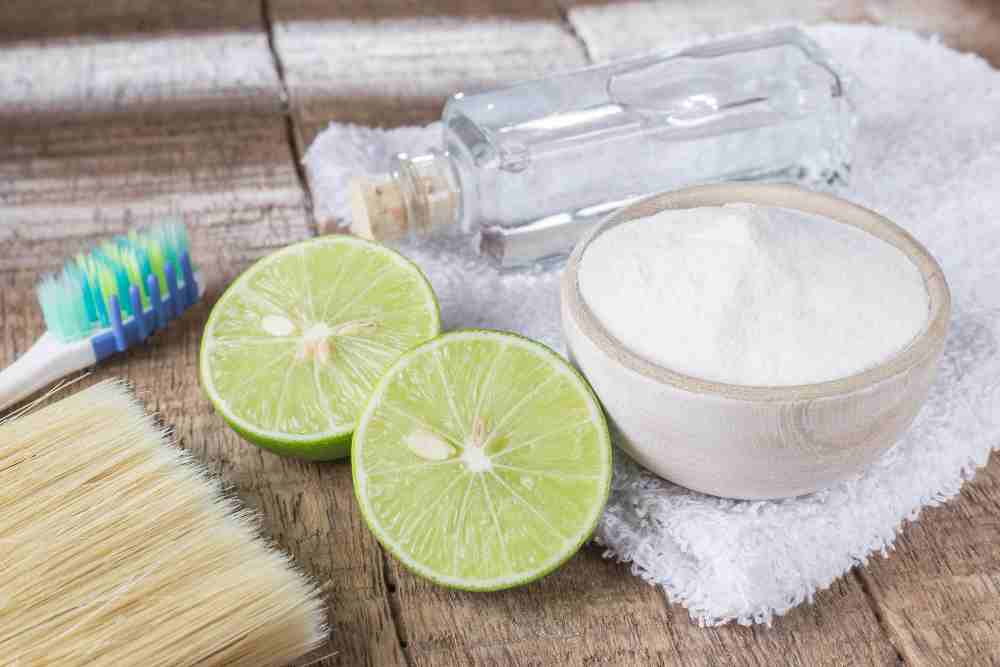
In recent years, natural remedies have gained increasing attention in the world of oral health. Among them, baking soda a common kitchen staple has emerged as a popular home treatment for various dental issues. One frequently asked question is: Can baking soda help relieve gum pain?
Whether caused by gingivitis, inflammation, injury, or sensitivity, gum pain can range from mildly irritating to downright debilitating. While visiting a dental professional is crucial for ongoing or severe conditions, many individuals are turning to baking soda for immediate, at-home relief.
In this comprehensive guide, we’ll explore the role of baking soda in oral care, its potential to alleviate gum pain, how to use it safely, and what the science says. If you’re dealing with sore, swollen, or bleeding gums, this blog post may have just the remedy you’ve been looking for.
🧪 What Is Baking Soda?
Baking soda, or sodium bicarbonate, is a white, crystalline powder commonly used in baking as a leavening agent. It has natural alkaline and antiseptic properties, which make it effective for neutralizing acids and fighting bacteria.
These same properties are what make baking soda a star ingredient in many natural cleaning and healthcare products, including toothpaste, mouthwashes, and skin cleansers.
When it comes to oral health, baking soda can serve several important functions:
-
Balances oral pH levels
-
Reduces plaque buildup
-
Eliminates bad breath
-
Whitens teeth
-
Eases inflammation
But can it specifically help with gum pain? Let’s explore.
🦷 Common Causes of Gum Pain
Understanding the root cause of your gum pain is essential before choosing the best treatment. Common culprits include:
-
Gingivitis – The earliest stage of gum disease, caused by plaque buildup.
-
Periodontitis – A more severe form of gum disease that can result in tooth loss.
-
Injury or trauma – From brushing too hard, dental appliances, or eating hard/crunchy foods.
-
Vitamin deficiencies – Especially vitamin C (scurvy).
-
Hormonal changes – Often seen during pregnancy or menstruation.
-
Infections – Bacterial or viral infections like herpes simplex.
-
Poor oral hygiene – leading to inflammation and irritation.
-
Tooth abscesses or decay – Pain from surrounding tissues can affect the gums.
If your gum pain is chronic or severe, it’s essential to consult a dental professional. But for mild or occasional discomfort, baking soda may provide relief.
🌿 How Baking Soda Helps with Gum Pain
Baking soda works in several ways to alleviate gum discomfort:
1. Neutralizes Acidity
Acidic environments in the mouth can worsen gum inflammation and pain. Baking soda has alkaline properties that neutralize these acids, creating a more balanced oral environment. A neutral pH helps minimize bacterial growth and soothes irritated tissue.
2. Reduces Inflammation
Gum pain often stems from inflammation, which can be caused by bacterial plaque or irritation. Baking soda helps reduce swelling by flushing out toxins and soothing the affected area. Its mild abrasiveness also helps dislodge food particles and bacteria, which can contribute to inflammation.
3. Fights Harmful Bacteria
Sodium bicarbonate is known to possess antibacterial properties. It can kill harmful bacteria responsible for gingivitis and infections, which are common causes of gum discomfort. Regular use may reduce plaque and biofilm formation.
4. Cleans Gently
One of baking soda’s best attributes is its non-toxic, gentle cleansing ability. While it’s mildly abrasive, it doesn’t damage gum tissue when used correctly. This makes it a safer alternative to harsher oral care products.
5. Whitens Teeth & Freshens Breath
Although not directly related to gum pain, baking soda’s ability to brighten teeth and combat bad breath contributes to overall oral health, which in turn supports gum healing and reduces further irritation.
🧼 How to Use Baking Soda for Gum Pain?
Baking soda is versatile and can be used in several forms to soothe gum pain. Here are a few safe, effective methods:
1. Baking Soda Paste
Ingredients:
-
1 teaspoon of baking soda
-
A few drops of water
Instructions:
-
Mix into a thick paste.
-
Gently apply to affected gums with a clean finger or soft toothbrush.
-
Leave on for 2–3 minutes, then rinse thoroughly with warm water.
-
Repeat 1–2 times daily.
This paste can help draw out bacteria and reduce inflammation.
2. Baking Soda Mouth Rinse
Ingredients:
-
½ teaspoon of baking soda
-
1 cup of warm water
Instructions:
-
Stir until dissolved.
-
Swish around the mouth for 30 seconds to 1 minute.
-
Spit out and avoid swallowing.
This rinse is particularly helpful for widespread gum discomfort or post-procedure healing (like after flossing or dental work).
3. Baking Soda and Coconut Oil
Coconut oil has natural antimicrobial and anti-inflammatory properties. Combining it with baking soda creates a soothing and healing oral paste.
Ingredients:
-
1 teaspoon of baking soda
-
1 teaspoon of coconut oil
Instructions:
-
Mix into a paste and gently massage onto the gums.
-
Let sit for a few minutes, then rinse.
This blend offers dual benefits and may enhance relief.
4. Toothbrushing with Baking Soda
Some people sprinkle baking soda directly onto a wet toothbrush and use it in place of toothpaste. While this method can be effective, it’s important not to scrub too hard, as baking soda can erode enamel over time if overused.
Tip: Use this method no more than 2–3 times per week, and always follow up with a fluoride rinse or mouthwash.
⚠️ Potential Side Effects and Safety Tips
While baking soda is generally safe for oral use, it’s important to follow best practices:
✅ Do:
-
Use gentle, circular motions when applying baking soda to gums.
-
Rinse thoroughly after each application.
-
Use baking soda treatments no more than a few times per week.
-
Use it as a short-term solution unless recommended otherwise by a dentist.
❌ Avoid:
-
Over-brushing or harsh scrubbing, can irritate gums and wear down enamel.
-
Use baking soda in combination with other acidic ingredients like lemon juice or vinegar.
-
Swallowing baking soda, especially in large amounts—it can disrupt your body’s acid-base balance.
Special Note: People with braces, retainers, or crowns should consult their dentist before using baking soda regularly, as it may affect bonding materials.
🧠 Scientific Studies and Research
Several studies support the role of baking soda in maintaining oral health and reducing gum discomfort:
-
A 2017 study published in the Journal of Clinical Dentistry found that toothpaste containing baking soda significantly reduced plaque and gingivitis compared to non-baking soda formulas.
-
Another study in the Journal of the American Dental Association highlighted that baking soda effectively neutralizes oral acids, reduces bacterial activity, and promotes a healthy oral pH.
-
Research from PLOS ONE shows that sodium bicarbonate can reduce biofilm development in the oral cavity, particularly in people prone to periodontal disease.
While more research is needed specifically focusing on baking soda’s effects on gum pain, its benefits in reducing inflammation and bacterial load are well-documented.
👨⚕️ What Do Dentists Say?
Many dental professionals support the occasional use of baking soda as part of an oral care routine, especially for those with sensitive gums. However, it is generally recommended as a supplementary treatment, not a replacement for professional dental care.
Dr. James Gallagher, DDS, notes
“Baking soda can be very effective for neutralizing acids and reducing oral bacteria. For minor gum irritation, it’s a great first-line home remedy. Just be cautious not to overdo it or use it in place of proper brushing and flossing.”
If gum pain persists for more than a few days or worsens, it may indicate a more serious issue that requires professional attention.
🛒 Choosing the Right Baking Soda Product
If you’re ready to try baking soda for gum pain, make sure to choose pure sodium bicarbonate with no added aluminum or fragrances. Look for:
-
Food-grade or USP-grade baking soda
-
No additives, dyes, or perfumes
-
Trusted brands like Arm & Hammer, Bob’s Red Mill, or baking soda specifically marketed for oral care
You can also find toothpaste or mouth rinses with baking soda already incorporated—ideal for daily, safe use.
🧺 Natural Alternatives and Complementary Remedies
While baking soda is powerful, combining it with other natural remedies can enhance results:
-
Saltwater rinses – Help reduce bacteria and inflammation
-
Aloe vera gel – Soothes irritated gum tissue
-
Hydrogen peroxide (diluted) – Kills bacteria and whitens teeth
-
Clove oil – Contains eugenol, a natural pain-reliever
-
Turmeric paste – Has anti-inflammatory and antibacterial benefits
These remedies can be alternated with or used alongside baking soda for comprehensive gum relief.
Conclusion
In summary, baking soda offers a safe, effective, and affordable home remedy for managing mild to moderate gum pain. With its antibacterial, anti-inflammatory, and pH-balancing properties, it tackles multiple causes of gum discomfort.
While not a cure-all, baking soda can certainly provide short-term relief, prevent plaque buildup, and contribute to better overall oral hygiene. As with any remedy, moderation is key.
Pair it with routine dental care, healthy brushing and flossing habits, and regular dental checkups to maintain your gum and oral health long-term.
So, next time your gums are feeling sore or inflamed, consider reaching into your pantry before your medicine cabinet—baking soda just might do the trick.