


Toenail fungus, medically known as onychomycosis, is more than just a cosmetic concern. It’s a stubborn and often embarrassing issue that affects millions of people worldwide.
Thickened, discolored, and brittle nails are telltale signs of this fungal infection, and while there are many over-the-counter and prescription treatments available, people are increasingly turning to natural remedies. One of the most talked-about is baking soda.
But does baking soda for toenail fungus actually work? In this comprehensive blog post, we’ll dive deep into the science, the how-to’s, the benefits, and the limitations of using baking soda to combat toenail fungus. Whether you’re seeking a natural alternative or just curious, this article covers everything you need to know.
Understanding Toenail Fungus: The Basics
Before we explore how baking soda can help, it’s important to understand what toenail fungus is and why it’s so difficult to treat.
What is Toenail Fungus?
Toenail fungus is a common condition caused by fungi known as dermatophytes. These microscopic organisms thrive in warm, moist environments and can invade your nails through tiny cracks or cuts around the nail bed.
Symptoms of Toenail Fungus
-
Discoloration (yellow, white, or brown)
-
Thickened nails
-
Brittle or crumbly nails
-
Foul odor
-
Nail separation from the nail bed
-
Pain or discomfort in severe cases
Why Is It Hard to Get Rid of?
Toenail fungus is notoriously persistent. It can take months to treat due to the slow growth of toenails and the fungus’s ability to survive in harsh conditions. Many antifungal medications also have side effects or limited efficacy, prompting the search for natural options like baking soda.
What is Baking Soda?
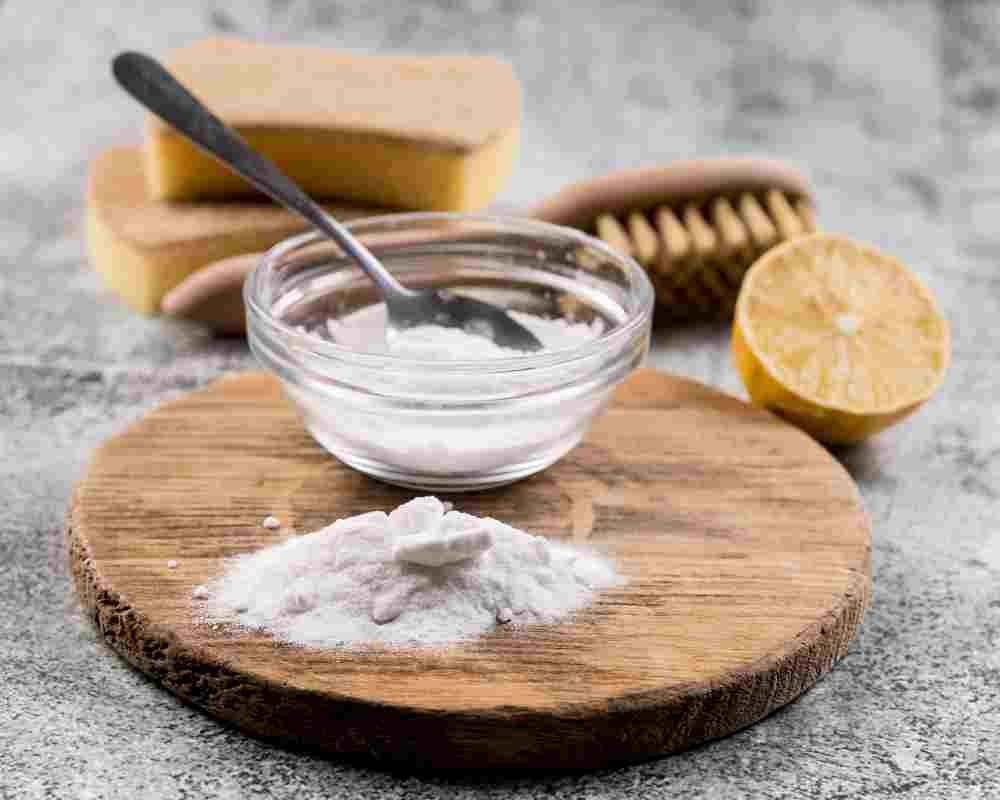
Baking soda, or sodium bicarbonate, is a white, crystalline powder commonly used in baking, cleaning, and deodorizing. It’s alkaline in nature, which means it has a high pH level.
This makes it an effective ingredient in neutralizing acids and creating an inhospitable environment for certain microbes, including fungi.
But can something so simple and easily available truly make a difference against toenail fungus?
How Baking Soda Works Against Toenail Fungus?
1. Antifungal Properties
Research suggests that baking soda has mild antifungal properties. Its alkaline nature alters the pH of the skin and nail bed, making it harder for fungi to thrive. Fungi prefer an acidic environment, and baking soda can disrupt this balance, potentially inhibiting fungal growth.
2. Moisture Absorption
Fungi love moisture. Baking soda is a desiccant, meaning it absorbs moisture. When applied to feet or placed in shoes, it helps keep the area dry, thus reducing fungal proliferation.
3. Deodorizing Action
Many people with toenail fungus also experience an unpleasant odor. Baking soda neutralizes odors effectively, offering both cosmetic and comfort-related benefits.
How to Use Baking Soda for Toenail Fungus?
There are multiple ways to use baking soda to combat toenail fungus. Here are some of the most popular and effective methods:
1. Baking Soda Paste
Ingredients:
-
2 tablespoons baking soda
-
A few drops of water (enough to form a thick paste)
Instructions:
-
Mix baking soda and water in a bowl until a paste forms.
-
Apply the paste directly to the affected toenail.
-
Leave it on for 10–15 minutes.
-
Rinse thoroughly and dry your feet.
-
Repeat twice daily.
2. Baking Soda Foot Soak
Ingredients:
-
4–5 tablespoons of baking soda
-
Warm water
-
A large basin or foot tub
Instructions:
-
Fill a basin with warm water.
-
Add the baking soda and stir to dissolve.
-
Soak your feet for 15–20 minutes.
-
Dry thoroughly afterward.
Tip: For added antifungal power, mix in a few drops of tea tree oil, which is another well-known natural antifungal.
3. Baking Soda Shoe Powder
Your shoes can harbor fungal spores, creating a cycle of reinfection. Here’s how to prevent that:
Instructions:
-
Sprinkle 1–2 tablespoons of baking soda into your shoes.
-
Let it sit overnight.
-
Shake out the excess powder before wearing.
You can also add a few drops of essential oil for a pleasant scent.
4. Baking Soda and Vinegar Combo
Vinegar is acidic while baking soda is alkaline. Used together, they create a fizzy reaction that can help dislodge debris and soften fungal buildup.
Ingredients:
-
1 cup white vinegar
-
1/2 cup baking soda
-
Warm water
Instructions:
-
Soak your feet in vinegar and water for 10 minutes.
-
Pat dry and then apply baking soda paste to the toenail.
-
Let it sit for 10 minutes.
-
Rinse and dry.
Realistic Expectations: What Baking Soda Can and Can’t Do
What It Can Do?
-
Create an unfavorable environment for fungi
-
Help reduce odor
-
Absorb moisture and reduce fungal spread
-
Complement other antifungal treatments
What It Can’t Do?
-
Kill all fungi in severe or advanced infections
-
Work instantly (requires consistency)
-
Replace prescribed antifungal medications in stubborn cases
Using baking soda is more of a supportive treatment. It may not be a magic bullet, but when used consistently and in combination with other good hygiene practices, it can improve symptoms and prevent worsening.
Benefits of Using Baking Soda for Toenail Fungus
-
Natural and Non-Toxic: No harsh chemicals involved
-
Inexpensive: Budget-friendly compared to prescription treatments
-
Easy to Use: Readily available and simple application methods
-
Low Risk of Side Effects: Safe for most skin types
Precautions and When to See a Doctor
When to Be Cautious?
-
If you have open wounds or ulcers on your feet
-
If you have diabetes (foot infections can be more dangerous)
-
If you experience burning or itching after use
Consult a Healthcare Provider If
-
The infection is spreading
-
Nails are painful or detaching
-
There’s pus, bleeding, or a foul smell
-
Symptoms don’t improve after several weeks of treatment
Complementary Tips for Preventing Toenail Fungus
In addition to using baking soda, here are some essential lifestyle practices to prevent and manage toenail fungus:
-
Keep Feet Dry and Clean: Moisture is the enemy.
-
Change Socks Daily: Especially if your feet sweat a lot.
-
Use Antifungal Powders or Sprays: Especially in gym showers or pools.
-
Avoid Walking Barefoot in Public Areas: Use flip-flops in communal showers.
-
Trim Nails Properly: Keep them short and clean.
-
Disinfect Nail Clippers Regularly
-
Rotate Shoes: Allow shoes to dry out fully between wears.
The Verdict: Is Baking Soda Worth Trying for Toenail Fungus?
Baking soda is not a cure-all, but it’s a safe, affordable, and practical home remedy that can offer relief from toenail fungus symptoms.
It works best as part of a broader treatment plan and is especially useful in early or mild cases of fungal infections. When used consistently, it can reduce odor, dry out excess moisture, and slow fungal growth.
However, for severe or persistent infections, it’s important to combine baking soda with other natural remedies or medical treatments under the supervision of a healthcare provider.