


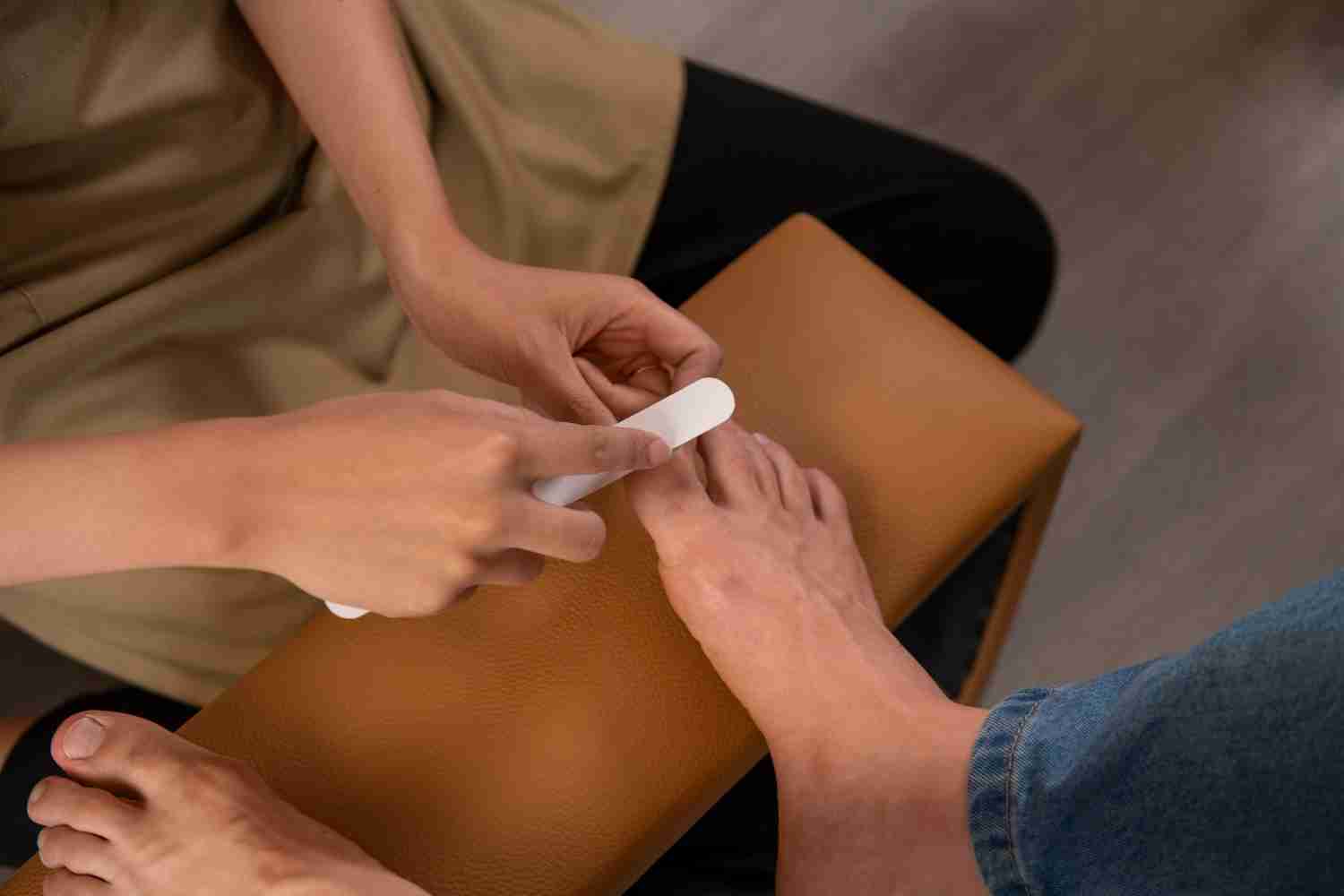
Toenail fungus, or onychomycosis, is a common and often persistent condition that affects millions of people worldwide. The infection begins when fungi invade the nail, causing it to become discolored, thickened, and brittle.
While there are several treatments available, some individuals seek home remedies as an alternative to pharmaceutical options. One such controversial remedy is bleach, which is often cited as a potential treatment for toenail fungus.
But is bleach effective for toenail fungus? Is it safe to use? In this comprehensive guide, we’ll delve into the use of bleach for toenail fungus, explore its potential benefits and risks, and provide insight into other treatment options.
Understanding Toenail Fungus
Before we discuss bleach as a treatment option, it’s essential to understand what toenail fungus is, how it develops, and why it’s so difficult to treat.
What Is Toenail Fungus?
Toenail fungus, medically known as onychomycosis, is a fungal infection that affects the toenails and, in some cases, the fingernails. The infection typically starts with a small, localized area beneath the nail and can spread, leading to significant damage if left untreated.
Fungi, including dermatophytes, yeasts, and molds, thrive in warm, moist environments, which makes toenails particularly susceptible to infection.
Symptoms of Toenail Fungus
Common signs and symptoms of toenail fungus include:
-
Thickened, brittle nails that may become misshapen
-
Discoloration (yellow, white, or brown) of the nail
-
Nail separation from the nail bed (onycholysis)
-
Distorted nail shape or a crumbling appearance
-
Foul odor emanating from the infected area
-
Pain or discomfort, especially when walking
Toenail fungus can worsen over time if left untreated, leading to painful, unsightly nails that may require more intensive medical treatment.
Causes of Toenail Fungus
Toenail fungus is caused by various types of fungi, with the most common being dermatophytes. These fungi thrive in warm, damp environments, making toenails an ideal location. Risk factors for toenail fungus include:
-
Frequent exposure to damp environments, such as public pools, showers, and locker rooms
-
Poor foot hygiene, especially not drying the feet and nails thoroughly after washing
-
Wearing tight, non-breathable shoes that trap moisture
-
Weak immune systems, which make it more difficult for the body to fight off infections
-
Nail trauma, such as injuries or repetitive pressure on the nails
-
Diabetes, which can lead to a compromised immune response and poor circulation
The Use of Bleach for Toenail Fungus
Why People Use Bleach for Toenail Fungus
One of the home remedies often suggested for toenail fungus is bleach, particularly household bleach (sodium hypochlorite). The theory behind using bleach for toenail fungus stems from its antiseptic properties.
Bleach is a powerful disinfectant that kills bacteria, fungi, and viruses, and many people believe it can eliminate the fungal infection under the nail when applied topically.
Proponents of bleach as a treatment for toenail fungus often suggest that the solution works by:
-
Destroying fungal cells: Bleach has potent antifungal and antibacterial properties, which may help destroy the fungal cells causing the infection.
-
Reducing fungal growth: The strong oxidative properties of bleach may halt the growth and spread of the fungus beneath the nail.
-
Cleaning the nail bed: Bleach can help to disinfect the affected area, preventing further infection and reducing the risk of spreading the fungus to other nails or areas of the skin.
Is Bleach Effective for Toenail Fungus?
The Science Behind Bleach’s Effectiveness
While bleach does have antifungal properties, it is important to note that it is not typically recommended as a treatment for toenail fungus by most medical professionals.
The concentration of bleach needed to effectively kill toenail fungus may also be too high and too harsh for the skin.
When used improperly, bleach can cause more harm than good, potentially leading to chemical burns, skin irritation, or other adverse reactions.
Lack of Clinical Evidence
There is a lack of scientific research supporting the use of bleach for toenail fungus. While bleach may kill some fungi in laboratory settings, its efficacy in real-life applications for toenail fungus remains unproven.
Most studies on fungal infections focus on oral antifungals, topical antifungals, and medical-grade treatments.
One of the primary reasons bleach is not widely recommended is the potential damage it can cause to the skin and surrounding tissue. Toenails are delicate, and bleach, if applied improperly or in excessive amounts, can result in:
-
Chemical burns
-
Skin irritation (redness, itching, burning sensations)
-
Dryness and cracking of the skin around the toenail
While bleach can kill fungi, the risks associated with improper use often outweigh the potential benefits, especially considering safer and more effective treatments that are readily available.
How to Use Bleach for Toenail Fungus Safely?
If you still decide to try bleach for toenail fungus, it’s essential to take precautions to minimize the risks of skin damage and irritation. Here’s a general guide on how to use bleach as a home remedy for toenail fungus:
Step 1: Dilute the Bleach
Never apply undiluted bleach directly to the skin or nails. Always dilute the bleach in water to reduce its potency. A common recommendation is to mix one part bleach with ten parts water. This creates a solution that’s gentle enough to be used on the skin but still strong enough to combat the fungus.
Step 2: Soak Your Feet
Soak your feet in the diluted bleach solution for no longer than 10-15 minutes. Prolonged exposure to bleach can lead to skin irritation or chemical burns. During the soak, make sure the affected toenail is fully submerged in the solution.
Step 3: Dry Thoroughly
After soaking, remove your feet from the solution and dry them completely, particularly the nails and surrounding skin. Fungus thrives in moist environments, so keeping your feet dry is essential to the healing process.
Step 4: Apply Moisturizer
Since bleach can be very drying to the skin, apply a gentle, hydrating moisturizer to the skin around the nail to prevent dryness and cracking. Opt for a fragrance-free, hypoallergenic moisturizer to minimize irritation.
Step 5: Repeat Carefully
You may repeat this process once a day for several days, but be mindful of any skin irritation or discomfort. If you notice any redness, burning, or blistering, discontinue the treatment immediately.
Potential Risks and Side Effects of Using Bleach for Toenail Fungus
While bleach may seem like an effective remedy, there are significant risks associated with its use. These risks include:
1. Skin Irritation
Bleach is a strong chemical, and improper use can lead to irritation or burns on the skin around the infected toenail. Symptoms of irritation include redness, itching, burning sensations, or peeling skin.
2. Chemical Burns
In rare cases, bleach can cause chemical burns, which may require medical attention. If you notice blistering or severe pain after using bleach, seek medical help immediately.
3. Allergic Reactions
Some individuals may experience an allergic reaction to bleach, resulting in swelling, redness, hives, or difficulty breathing. If you suspect an allergic reaction, stop using bleach and seek emergency medical treatment.
4. Ineffective for Severe Infections
While bleach may be useful for mild cases of toenail fungus, it is unlikely to be effective for severe or persistent fungal infections. In such cases, professional treatments like oral antifungal medications or prescription-strength topical treatments may be necessary.
Alternatives to Bleach for Toenail Fungus
If you’re hesitant to use bleach or are concerned about its risks, there are several more effective and safer treatments for toenail fungus:
1. Topical Antifungals
Topical treatments such as clotrimazole, terbinafine, and ciclopirox are commonly recommended by doctors for toenail fungus. These treatments are specifically designed to target and kill fungal cells without causing harm to the surrounding skin.
2. Oral Antifungals
For more severe or widespread fungal infections, oral antifungal medications like terbinafine (Lamisil) or itraconazole (Sporanox) may be prescribed. These medications work from the inside out to eliminate the fungus.
3. Tea Tree Oil
Tea tree oil is a natural antifungal agent that is effective against toenail fungus. It’s a gentler option compared to bleach and may be suitable for those with sensitive skin.
4. Vinegar Soaks
Some people use vinegar soaks (typically diluted with water) as an alternative to bleach. Vinegar has antifungal properties and may help reduce fungal growth, though it is generally less potent than medical treatments.
Conclusion: Should You Use Bleach for Toenail Fungus?
While bleach does have antifungal properties and can theoretically help treat toenail fungus, its risks and lack of scientific backing make it a less-than-ideal solution.
The potential for skin irritation, chemical burns, and allergic reactions outweighs the uncertain benefits. Safer, more effective treatments such as topical antifungal creams, oral medications, and natural remedies like tea tree oil are often better options for treating toenail fungus.
Before attempting any home remedy, it’s always best to consult a healthcare provider or dermatologist. They can help you identify the severity of your toenail fungus and recommend the most appropriate treatment based on your individual needs.