


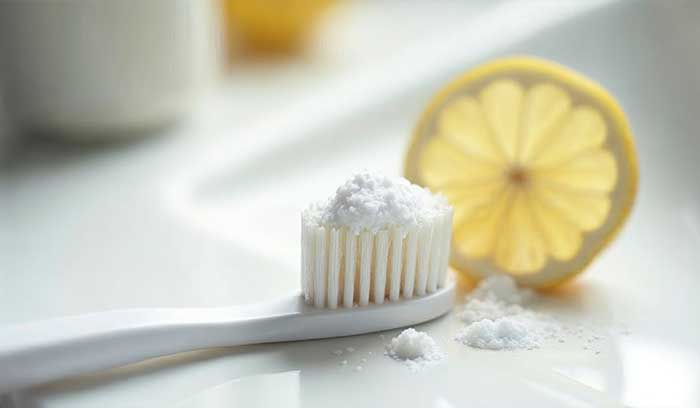
In recent times, social media platforms like TikTok, Instagram, and YouTube have become breeding grounds for various DIY health and beauty trends.
One such trend that has garnered significant attention is brushing teeth with a mixture of baking soda and lemon juice, touted as a natural and cost-effective method for teeth whitening. But does this method live up to the hype, or does it pose potential risks to dental health?
In this comprehensive exploration, we delve into the science behind this popular trend, assess its efficacy, and discuss safer alternatives for achieving a brighter smile.
The Allure of Natural Teeth Whitening
A bright, white smile is often associated with health, youth, and attractiveness. Professional teeth whitening treatments, while effective, can be expensive and may cause sensitivity in some individuals.
This has led many to seek out natural, at-home remedies, with baking soda and lemon juice emerging as popular choices due to their accessibility and low cost.
Understanding the Ingredients: Baking Soda and Lemon Juice
Baking Soda (Sodium Bicarbonate)
Baking soda is a white, crystalline powder commonly used in baking and cleaning. In dentistry, it is known for its mild abrasive properties, which can help remove surface stains from teeth, leading to a brighter appearance.
Additionally, baking soda has antibacterial properties and can neutralize acids in the mouth, promoting oral health.
Lemon Juice
Lemon juice is rich in citric acid and vitamin C. Its high acidity gives it natural bleaching properties, which is why it’s often included in DIY cleaning and beauty recipes.
However, this same acidity can pose risks when applied to tooth enamel.
The Science Behind the Trend
Proponents of the baking soda and lemon juice combination argue that the abrasive nature of baking soda helps scrub away stains, while the acidity of lemon juice acts as a bleaching agent to enhance the whitening effect.
While this mixture may produce immediate visible results, it’s crucial to understand the potential long-term consequences.
Potential Risks of Using Baking Soda and Lemon Juice on Teeth
-
Enamel Erosion
Tooth enamel is the hard, protective outer layer of the teeth. Once damaged, it does not regenerate. The high acidity of lemon juice can erode enamel, leading to increased sensitivity, susceptibility to cavities, and a darker appearance of teeth as the underlying dentin becomes more visible.
-
Increased Tooth Sensitivity
Eroded enamel can expose the dentin layer, which contains microscopic tubules leading to the nerve endings of the tooth. This exposure can result in heightened sensitivity to hot, cold, sweet, or acidic foods and beverages.
-
Gum Irritation
The abrasive nature of baking soda, combined with the acidity of lemon juice, can irritate the delicate tissues of the gums, potentially leading to inflammation or recession over time.
Expert Opinions on the Baking Soda and Lemon Juice Method
Dental professionals generally advise against the use of acidic substances like lemon juice for teeth whitening due to the risk of enamel erosion.
While baking soda alone is considered a mild abrasive and can be effective in removing surface stains, combining it with lemon juice amplifies the potential for enamel damage.
Safer Alternatives for Teeth Whitening
For those seeking to brighten their smile without compromising dental health, consider the following safer alternatives:
-
Whitening Toothpastes
Many over-the-counter toothpastes contain mild abrasives and chemical agents designed to remove surface stains safely. Look for products with the American Dental Association (ADA) Seal of Acceptance, ensuring they meet safety and efficacy standards.
-
Whitening Strips and Gels
These products contain peroxide-based bleaching agents and are designed for at-home use. When used as directed, they can effectively whiten teeth with minimal risk.
-
Professional Whitening Treatments
Performed under the supervision of a dentist, professional whitening treatments use higher concentrations of bleaching agents for more significant results. Dentists can tailor the treatment to individual needs and monitor for any adverse effects.
-
Oil Pulling
An ancient practice involving swishing oil (commonly coconut oil) in the mouth to remove bacteria and promote oral health. While not a substitute for traditional whitening methods, some studies suggest it may reduce plaque and lead to a cleaner appearance of teeth.
-
Maintaining Good Oral Hygiene
Regular brushing with fluoride toothpaste, flossing, and routine dental check-ups are fundamental to maintaining a bright, healthy smile. Limiting the consumption of staining substances like coffee, tea, red wine, and tobacco can also prevent discoloration.
Conclusion
While the combination of baking soda and lemon juice for teeth whitening has gained popularity on social media platforms, it’s essential to approach such trends with caution. The potential risks, particularly enamel erosion and increased sensitivity, outweigh the temporary benefits.
For safe and effective teeth whitening, consider consulting with a dental professional and exploring products that have been scientifically validated for both safety and efficacy.
Reference Links:
- Is It Safe to Whiten Teeth with Baking Soda & Lemon Juice? – Sensu
- Baking Soda and Lemon for Teeth and Skin: Does It Work? – Healthline
- Don’t Believe These 3 Myths About Natural Teeth Whitening – Gentle Dentistry
- 4 Dangerous Dental Fads You Should Avoid – Brush and Floss
- Is Brushing Teeth With Baking Soda Safe for Whitening Teeth? – Verywell Health