


Toenail fungus, or onychomycosis, is a common condition that affects millions of people worldwide. It can cause discomfort, embarrassment, and even lead to serious complications if left untreated.
While there are many pharmaceutical treatments available, an increasing number of individuals are turning to natural remedies to manage this persistent and often stubborn condition. One such remedy that has gained attention in recent years is castor oil.
Castor oil, derived from the seeds of the castor plant (Ricinus communis), has been used for centuries for its medicinal and therapeutic properties. Known for its anti-inflammatory, antimicrobial, and moisturizing benefits, castor oil is increasingly recognized as an effective treatment for toenail fungus.
This article will explore the potential benefits of castor oil for toenail fungus, how to use it, and the science behind why it may work.
What is Toenail Fungus?
Before diving into the specifics of how castor oil can be beneficial, it is important to understand what toenail fungus is, its causes, and its symptoms.
Toenail fungus is an infection that typically begins in the nail bed or nail plate and is caused by various types of fungi, including dermatophytes, yeasts, and molds.
The condition is often triggered by moisture, warmth, and poor hygiene. It can affect both the toenails and fingernails, although toenail fungus is much more common due to the enclosed and moist environment created by shoes.
Symptoms of Toenail Fungus
Toenail fungus can manifest through various symptoms, which may include:
-
Discoloration: Affected nails may appear yellow, brown, or even white.
-
Thickening of the Nail: The toenail may become thicker and more difficult to trim.
-
Brittleness and Crumbling: The nail may become brittle, fragile, and prone to breaking or crumbling.
-
Deformities: In advanced cases, the toenail can become distorted and misshapen.
-
Odor: Fungal infections can sometimes cause a foul odor to emanate from the affected area.
Toenail fungus is often treated with topical or oral antifungal medications. However, many people are looking for alternative or complementary natural remedies, and castor oil is one that has sparked interest due to its purported healing properties.
How Does Castor Oil Work for Toenail Fungus?
Castor oil is rich in several beneficial compounds, including ricinoleic acid, unsaturated fatty acids, and antioxidants, which contribute to its antimicrobial, anti-inflammatory, and moisturizing effects.
These properties make it a potentially effective treatment for toenail fungus. Here’s a breakdown of how castor oil might work to address the infection:
1. Antimicrobial Properties
One of the most significant reasons castor oil may help fight toenail fungus is its antimicrobial properties. Research has shown that castor oil can combat a variety of microorganisms, including fungi and bacteria.
The presence of ricinoleic acid in castor oil is particularly effective in this regard. This fatty acid has been found to inhibit the growth of harmful pathogens and promote the healing of the skin.
For toenail fungus, this means that castor oil could help reduce the growth of the fungus responsible for the infection and prevent it from spreading further to surrounding nails or skin.
2. Anti-Inflammatory Effects
Castor oil’s anti-inflammatory properties can help reduce the inflammation that often accompanies toenail fungus. Infected nails can become swollen, tender, and painful.
By soothing the skin and reducing inflammation, castor oil can make the healing process more comfortable and less irritating. Additionally, the reduction in inflammation may prevent further damage to the nail and surrounding tissue.
3. Moisturizing and Healing Properties
Castor oil is known for its deep moisturizing abilities. When applied to the skin or nails, it helps to keep the area hydrated, which is essential for healing.
Dry, cracked skin is more susceptible to infection, so keeping the affected area moist with castor oil can create an environment where the nail can heal and repair itself more effectively. The oil’s healing properties also promote the regeneration of damaged tissue and improve the overall health of the nail.
4. Penetration Ability
One of the reasons castor oil is effective for treating toenail fungus is its ability to penetrate the skin and nails deeply. Unlike many other oils or creams, castor oil can reach the nail bed, which is often where the infection begins. This ability to penetrate deep into the tissue means that castor oil can target the fungus at its source and prevent it from thriving beneath the nail.
How to Use Castor Oil for Toenail Fungus?
If you are considering using castor oil for toenail fungus, it’s essential to apply it correctly for maximum effectiveness. Below are some easy-to-follow steps that can help you get the most out of this natural remedy:
Step 1: Clean and Dry the Affected Area
Before applying castor oil, it’s important to ensure that the affected toenail is clean and dry. Wash your feet thoroughly with soap and warm water, and gently dry them with a towel. If there is any buildup of debris or nail polish, remove it to allow the castor oil to penetrate the nail and surrounding skin more effectively.
Step 2: Apply Castor Oil
Using a clean cotton swab, Q-tip, or your fingers, apply a small amount of pure castor oil directly to the affected toenail and surrounding skin. Be sure to cover the entire infected area, including any cracks or crevices in the nail where the fungus might be hiding.
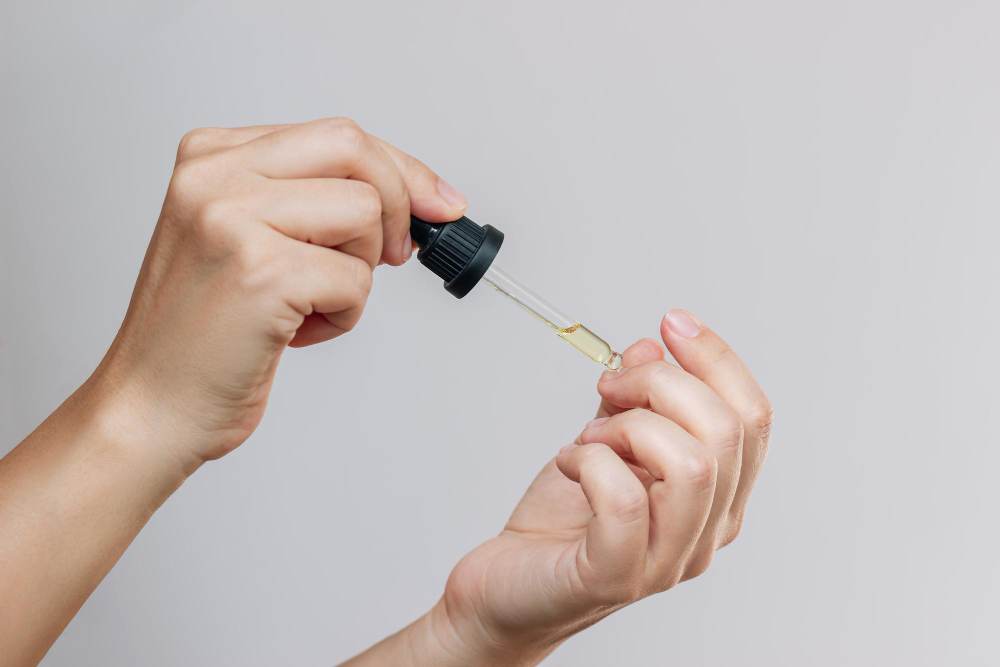
You can also use a dropper for precise application if you prefer.
Step 3: Massage the Oil Into the Nail
After applying the oil, gently massage it into the affected toenail and surrounding skin. This will not only help the oil penetrate deeper but also promote blood circulation to the area, which can further support healing. Be sure to focus on the cuticle area and any places where the fungus may have spread.
Step 4: Let the Oil Absorb
Allow the castor oil to absorb into the nail and skin for 15-30 minutes. If you prefer, you can leave the oil on overnight for more extended treatment, especially if you’re using it before bedtime.
Step 5: Repeat Daily
For the best results, it’s important to be consistent with your application. Apply castor oil to your toenail every day for several weeks to ensure that the fungus is effectively eliminated. You should start to notice improvements within a few weeks, but the full healing process may take a couple of months, depending on the severity of the infection.
Additional Tips for Enhancing the Effectiveness of Castor Oil for Toenail Fungus
While castor oil can be effective on its own, there are a few additional steps you can take to enhance its effectiveness and speed up the healing process.
1. Keep Your Feet Clean and Dry
Fungi thrive in warm, moist environments. To prevent the spread of toenail fungus, make sure to keep your feet as clean and dry as possible. After applying castor oil, make sure your socks and shoes are dry. Consider changing socks regularly, particularly if they become damp or sweaty.
2. Use Antifungal Foot Powder
You may want to consider using an antifungal foot powder in conjunction with castor oil. These powders can help keep your feet dry and provide additional protection against the fungus. Just be sure to apply the powder before you apply the castor oil.
3. Trim Your Toenails
Keeping your toenails trimmed and neat can help prevent the fungus from spreading to other parts of the nail. Be careful not to cut your toenail too short, as this could lead to irritation and further complications.
4. Practice Good Hygiene
Regularly clean your shoes, socks, and any other items that come in contact with your feet. You may also want to disinfect your nail clippers and other tools to prevent reinfection.
5. Consider a Blend of Essential Oils
For added potency, you can combine castor oil with other antifungal essential oils, such as tea tree oil or oregano oil, both of which are known for their antifungal properties. Just be sure to dilute the essential oils properly before use to avoid skin irritation.
Scientific Evidence Supporting Castor Oil for Toenail Fungus
While there is a wealth of anecdotal evidence supporting the use of castor oil for toenail fungus, scientific studies on its effectiveness for treating fungal infections specifically are somewhat limited. However, there is considerable evidence to support its general antifungal, anti-inflammatory, and skin-healing properties.
Ricinoleic acid, one of the primary compounds in castor oil, has demonstrated antimicrobial activity in laboratory studies. Studies have shown that this fatty acid can inhibit the growth of certain types of fungi, which suggests that it could be effective in treating conditions like toenail fungus.
Additionally, castor oil’s ability to moisturize and heal skin may help prevent further damage to the toenail while promoting the healing of infected tissue.
When to See a Doctor?
While castor oil is a natural and generally safe remedy, it’s important to recognize when you need professional help.
If your toenail fungus is not improving after several weeks of using castor oil, or if the infection is severe and causing significant pain, it’s best to consult a healthcare provider. In some cases, prescription antifungal treatments may be necessary to eliminate the infection.
Additionally, if you have any underlying medical conditions, such as diabetes or circulatory problems, that could affect your ability to heal, it’s essential to seek medical advice before attempting to treat toenail fungus at home.
Conclusion
Castor oil is a natural remedy that has shown promise in treating toenail fungus. Thanks to its antimicrobial, anti-inflammatory, and moisturizing properties, it may help reduce the infection, alleviate symptoms, and promote the healing of the affected nail.
While more research is needed to fully validate its efficacy, many individuals have found relief using castor oil, often in combination with other hygiene practices.
If you’re dealing with toenail fungus, it may be worth trying castor oil as part of your treatment regimen. As with any natural remedy, consistency is key, and it’s important to be patient and persistent in your efforts.