


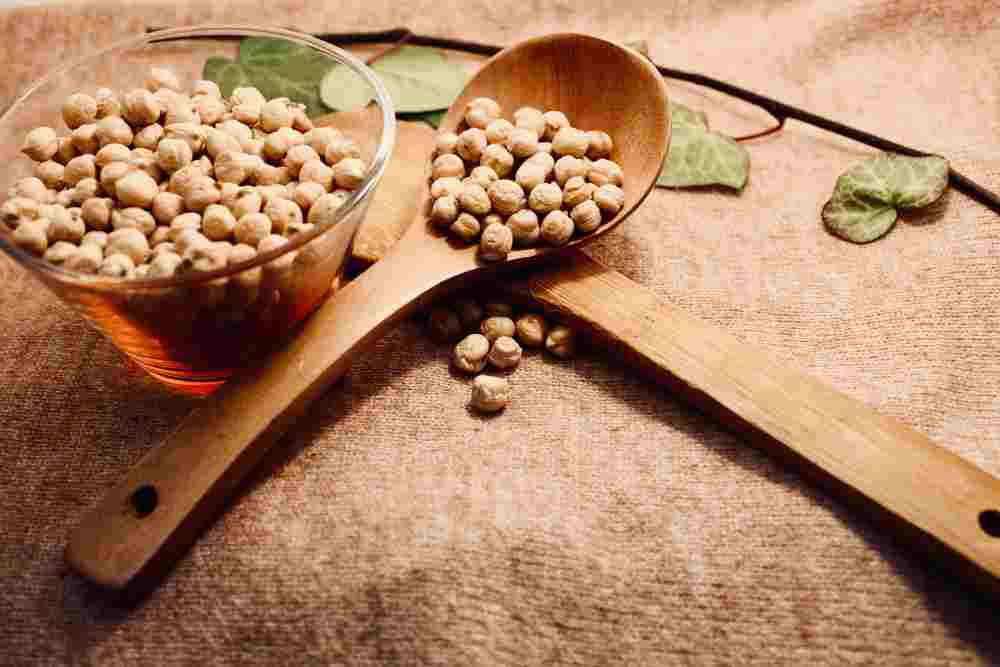
Chickpeas, also known as garbanzo beans, are a staple in many cuisines around the world. These small, round legumes are not only delicious and versatile but also packed with a variety of nutrients, making them an excellent addition to any diet.
In recent years, chickpeas have gained attention for their potential role in weight loss. This has led many to wonder: Do chickpeas help with weight loss?
In this blog post, we will explore the nutritional profile of chickpeas, their potential benefits for weight loss, and how you can incorporate them into your diet. Whether you are looking to shed a few pounds or simply improve your overall health, chickpeas could be a valuable ally in your weight management journey.
What Are Chickpeas?
Chickpeas are a type of legume, belonging to the same family as beans, lentils, and peas. They are native to the Middle East but are now grown and consumed worldwide.
Chickpeas have a nutty flavor and a firm, slightly grainy texture, making them a popular ingredient in various dishes, from hummus to soups and salads.
In addition to their culinary uses, chickpeas are rich in nutrients, including protein, fiber, vitamins, and minerals. These nutrients contribute to their numerous health benefits, including their potential to aid in weight loss.
Nutritional Profile of Chickpeas
Before diving into how chickpeas can help with weight loss, it’s important to understand their nutritional content. A 1-cup (164-gram) serving of cooked chickpeas provides the following:
-
Calories: 269
-
Protein: 14.5 grams
-
Carbohydrates: 45 grams
-
Fiber: 12.5 grams
-
Fat: 4 grams
-
Iron: 4.7 milligrams (26% of the daily recommended intake)
-
Folate: 282 micrograms (71% of the daily recommended intake)
-
Magnesium: 78 milligrams (19% of the daily recommended intake)
As you can see, chickpeas are a rich source of plant-based protein and fiber, two key components that can play a significant role in weight management.
How Do Chickpeas Help with Weight Loss?
Now that we’ve established the nutritional benefits of chickpeas, let’s look at how these tiny beans can contribute to weight loss.
1. High in Protein
Protein is an essential macronutrient that plays a critical role in weight loss. It helps to build and repair tissues, supports immune function, and is a key player in maintaining lean muscle mass. Additionally, protein has a satiating effect, meaning it can help you feel fuller for longer, potentially reducing overall calorie intake.
Chickpeas are an excellent source of plant-based protein. A 1-cup serving of cooked chickpeas contains around 14.5 grams of protein. Including more protein in your diet can increase feelings of fullness and reduce the likelihood of overeating. This can help create a calorie deficit, which is essential for weight loss.
Moreover, consuming protein can boost your metabolism through a process known as the thermic effect of food (TEF). The body expends more energy to digest protein compared to fats and carbohydrates, which means you burn more calories simply by eating foods high in protein, like chickpeas.
2. Rich in Fiber
One of the most significant benefits of chickpeas for weight loss is their high fiber content. Fiber is a type of carbohydrate that the body cannot digest, meaning it passes through the digestive system mostly intact.
It plays a crucial role in promoting digestive health and regulating blood sugar levels. Fiber also helps with weight loss by adding bulk to meals, which can contribute to a feeling of fullness and reduce the need for snacking.
Chickpeas are particularly high in soluble fiber, which has been shown to promote feelings of fullness and reduce hunger. A 1-cup serving of chickpeas provides 12.5 grams of fiber, about half of the daily recommended intake for adults. By increasing your fiber intake, you may find that you are less likely to overeat or snack between meals.
Fiber can also aid in weight loss by helping to regulate blood sugar levels. When blood sugar spikes and crashes, it can lead to hunger and cravings, which can contribute to overeating. The fiber in chickpeas helps slow the absorption of sugar into the bloodstream, preventing these fluctuations and promoting steady energy levels.
3. Low Glycemic Index
The glycemic index (GI) is a measure of how quickly foods raise blood sugar levels. Foods with a high GI cause rapid spikes in blood sugar, followed by crashes that can lead to hunger and cravings.
On the other hand, foods with a low GI are digested more slowly, leading to more stable blood sugar levels.
Chickpeas have a low glycemic index, making them an excellent choice for weight loss. Their slow-digesting carbohydrates help prevent rapid increases in blood sugar, which can reduce the likelihood of overeating.
By including chickpeas in your diet, you can help maintain stable blood sugar levels, keeping hunger and cravings at bay.
4. Nutrient Density
Another reason chickpeas may help with weight loss is their nutrient density. Nutrient-dense foods provide a high amount of vitamins, minerals, and other essential nutrients relative to their calorie content. Because chickpeas are rich in essential nutrients like iron, folate, and magnesium, they offer a great nutritional value without being calorie-dense.
When trying to lose weight, it is important to focus on foods that provide maximum nutrition without excessive calories.
Nutrient-dense foods can help you feel satisfied and nourished while keeping your overall calorie intake in check. Including chickpeas in your diet can help ensure that you are meeting your nutritional needs while working toward your weight loss goals.
5. Support for Gut Health
The fiber in chickpeas is also beneficial for gut health. A healthy gut is essential for proper digestion, nutrient absorption, and even weight management.
Research has shown that a healthy gut microbiome is linked to better weight regulation, and consuming fiber-rich foods like chickpeas can help promote a balanced microbiome.
Fiber acts as a prebiotic, feeding the beneficial bacteria in your gut. These bacteria play a role in digestion, immune function, and the regulation of metabolism.
By supporting your gut health with fiber-rich foods like chickpeas, you may enhance your body’s ability to process food efficiently, which can contribute to weight loss.
How to Incorporate Chickpeas into Your Diet for Weight Loss?
If you’re interested in reaping the weight loss benefits of chickpeas, here are some simple ways to include them in your meals:
1. Add to Salads
Chickpeas can be tossed into salads for an extra boost of protein and fiber. Try adding them to a leafy green salad, a quinoa salad, or a Mediterranean-inspired salad with cucumbers, tomatoes, and olives.
2. Make Hummus
Hummus is a popular dip made from blended chickpeas, tahini, olive oil, lemon juice, and garlic. It’s a delicious and healthy snack that can be paired with vegetables, whole grain crackers, or pita bread. You can also use hummus as a spread on sandwiches and wraps.
3. Roast for a Snack
Roasted chickpeas make a crunchy, satisfying snack. Simply toss chickpeas with olive oil and your favorite seasonings, then roast them in the oven until crispy. Roasted chickpeas are a great alternative to unhealthy snacks like chips or cookies.
4. Use in Soups and Stews
Chickpeas can be added to soups, stews, and curries for added texture and nutrition. They pair well with a variety of vegetables, grains, and spices, making them a versatile addition to many dishes.
5. Chickpea Pasta
Chickpea pasta is an excellent gluten-free alternative to traditional pasta. Made from chickpea flour, it provides extra protein and fiber compared to regular pasta. You can use chickpea pasta in a variety of pasta dishes, from spaghetti to macaroni and cheese.
Potential Downsides of Chickpeas
While chickpeas offer numerous health benefits, it’s important to consider potential downsides as well. Some individuals may experience digestive discomfort when consuming chickpeas, especially if they are not used to eating high-fiber foods.
This can lead to bloating, gas, or stomach cramps. To avoid this, start with smaller portions of chickpeas and gradually increase your intake to allow your digestive system to adjust.
Additionally, chickpeas are relatively high in carbohydrates, which may be a concern for individuals following low-carb or ketogenic diets. However, for most people, chickpeas can be enjoyed in moderation as part of a balanced diet.
Conclusion
Chickpeas are a highly nutritious food that can support weight loss in several ways. Their high protein and fiber content help promote feelings of fullness, reduce hunger, and stabilize blood sugar levels. They are also low on the glycemic index and nutrient-dense, making them a valuable addition to any weight loss plan.
By incorporating chickpeas into your diet in creative ways, such as adding them to salads, soups, or making hummus, you can enjoy their weight loss benefits while boosting your overall health.
However, like any food, it’s important to consume chickpeas in moderation and listen to your body to avoid digestive discomfort.
Overall, chickpeas can be a powerful ally in your weight loss journey, providing both nourishment and satisfaction.
Reference Links
-
Healthline – Chickpeas: Nutrition, Benefits, and How to Cook Them
https://www.healthline.com/nutrition/chickpeas -
WebMD – The Benefits of Chickpeas
https://www.webmd.com/diet/obesity/ss/slideshow-chickpea-benefits -
Medical News Today – What are the health benefits of chickpeas?
https://www.medicalnewstoday.com/articles/322825 -
Mayo Clinic – The Role of Protein in Weight Loss
https://www.mayoclinic.org/healthy-lifestyle/nutrition-and-healthy-eating/expert-answers/protein/faq-20427144 -
Harvard T.H. Chan School of Public Health – The Nutrition Source: Protein
https://www.hsph.harvard.edu/nutritionsource/protein/