


Bleeding gums can be a troubling and alarming experience. Many individuals find themselves reaching for various remedies to address this issue, and one of the more popular options is hydrogen peroxide.
Hydrogen peroxide is known for its antiseptic and cleaning properties, which is why it has been used for centuries in medical and dental care.
But how effective is it really for treating bleeding gums? In this article, we will explore the uses, benefits, risks, and proper application of hydrogen peroxide for bleeding gums.
🤔What Causes Bleeding Gums?
Before we dive into the use of hydrogen peroxide for bleeding gums, it’s essential to understand the underlying causes of gum bleeding.
While it may seem like a minor inconvenience, bleeding gums can be a sign of a more serious health condition.
1. Gum Disease (Gingivitis)
Gingivitis is one of the most common causes of bleeding gums. This condition occurs when the gums become inflamed due to the buildup of plaque.
Plaque contains bacteria that irritate the gums, leading to redness, swelling, and bleeding when brushing or flossing.
2. Periodontal Disease
If gingivitis is left untreated, it can progress into periodontal disease. This more severe form of gum disease affects the structures supporting your teeth, including the bone.
Periodontal disease can cause persistent bleeding, pain, and even tooth loss in extreme cases.
3. Poor Oral Hygiene
Inadequate brushing and flossing habits allow plaque and tartar to build up, leading to gum inflammation and bleeding.
Neglecting to remove this buildup can lead to severe gum disease and infections.
4. Vitamin Deficiencies
A lack of certain vitamins, particularly vitamin C (scurvy), can lead to gum bleeding. Vitamin C is crucial for maintaining healthy gums, and its deficiency can weaken the gums, making them more prone to bleeding.
5. Medications
Certain medications, such as blood thinners, can increase the likelihood of gum bleeding. If you’re on medication that affects your blood’s ability to clot, you may experience bleeding gums even with gentle brushing or flossing.
🧴What Is Hydrogen Peroxide?
Hydrogen peroxide (H₂O₂) is a chemical compound composed of water and oxygen. It’s a powerful oxidizing agent that is widely used as a disinfectant, bleaching agent, and antiseptic.
Most commonly found in a 3% solution, hydrogen peroxide is a versatile substance in first aid, skincare, and dental hygiene.
Hydrogen peroxide has been used in dental care for its ability to kill bacteria, clean wounds, and even whiten teeth.
When used correctly, it can help reduce inflammation and promote healing, which is why many people consider it a potential remedy for bleeding gums.
How Does Hydrogen Peroxide Help with Bleeding Gums?
Hydrogen peroxide works as an effective antimicrobial agent that can help reduce bacterial growth in the mouth.
By killing harmful bacteria, it may help prevent the infection that often leads to gum inflammation and bleeding. Here’s how hydrogen peroxide can be helpful for bleeding gums:
1. Cleansing and Disinfection
Hydrogen peroxide can help cleanse the affected area of bacteria and debris, preventing further infection.
This is particularly important in cases of gingivitis or periodontal disease, where bacteria build-up is a significant cause of inflammation.
2. Reduction of Inflammation
The antimicrobial properties of hydrogen peroxide also help reduce the swelling and redness in the gums.
By neutralizing the bacteria that cause irritation, hydrogen peroxide can promote healing and help the gums return to a healthy state.
3. Oxygenating the Gums
When hydrogen peroxide comes into contact with tissues, it releases oxygen. This oxygen helps accelerate the healing process by supporting the growth of healthy tissues and promoting the removal of dead tissue.
This is particularly beneficial for anyone dealing with gum disease or infections.
4. Plaque Removal
Since plaque is a major contributor to gum bleeding, hydrogen peroxide can help break down plaque build-up on the gums and teeth.
This cleaning effect can prevent further irritation and help maintain better oral hygiene.
🌿How to Use Hydrogen Peroxide for Bleeding Gums
Using hydrogen peroxide for bleeding gums can be effective, but it’s essential to use it correctly to avoid causing further irritation.
Here’s a step-by-step guide to safely use hydrogen peroxide for this purpose:
1. Dilute the Hydrogen Peroxide
It’s crucial to dilute hydrogen peroxide before using it in your mouth. The standard concentration of hydrogen peroxide sold in stores is 3%, which can be too strong and cause irritation to sensitive gums. To make it safer, dilute it with water.
-
Dilution Ratio: Mix 1 part of 3% hydrogen peroxide with 2 parts water. For example, if you’re using 1 tablespoon of hydrogen peroxide, mix it with 2 tablespoons of water.
2. Rinse Your Mouth
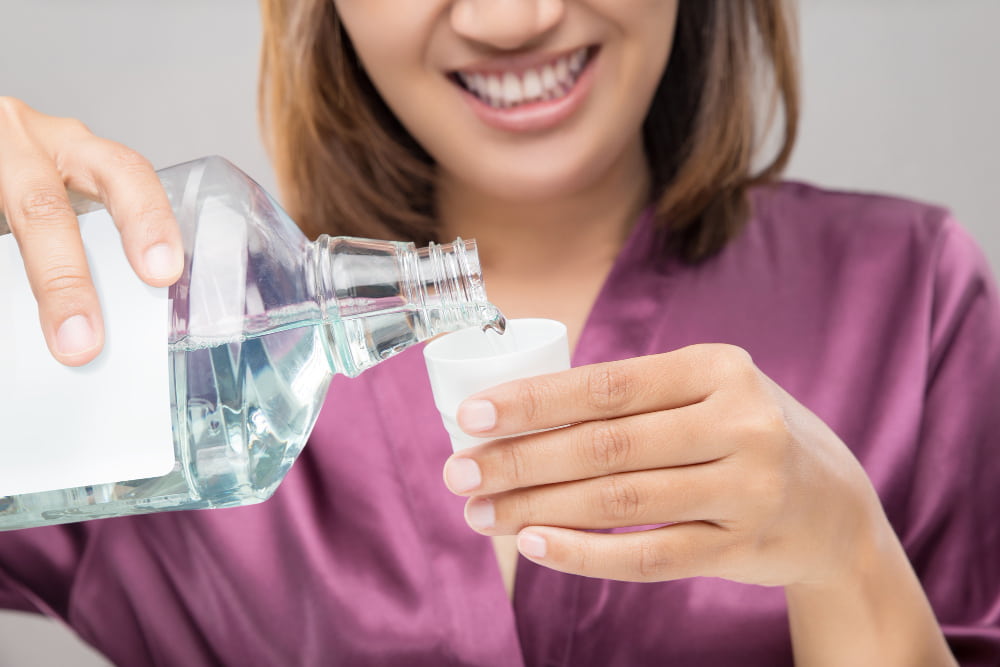
Once you have the diluted hydrogen peroxide solution, take a small sip and swish it around your mouth for 30 seconds to 1 minute.
Be sure to swish the solution around the areas where your gums are bleeding. Make sure not to swallow the solution.
3. Spit It Out
After rinsing, spit out the hydrogen peroxide solution and avoid eating or drinking for at least 15 to 30 minutes to allow the solution to work effectively.
4. Repeat Twice a Day
For best results, rinse your mouth with diluted hydrogen peroxide twice a day, preferably after brushing your teeth. This will help kill bacteria, reduce inflammation, and promote overall gum health.
⚠️Precautions to Take When Using Hydrogen Peroxide
While hydrogen peroxide can be effective in treating bleeding gums, it’s important to use it with caution. Here are some key precautions to keep in mind:
1. Avoid Swallowing Hydrogen Peroxide
Never swallow hydrogen peroxide, as it can be harmful to your digestive system. Be sure to spit it out after using it as a mouth rinse.
2. Limit Use
Hydrogen peroxide is a strong agent that can irritate the gums if used too frequently. Limit its use to once or twice a day to avoid overuse and potential harm to your oral tissues.
3. Monitor Your Gum Health
If you continue to experience bleeding gums after using hydrogen peroxide for a few days, or if the bleeding worsens, it’s important to consult a dentist.
Persistent gum bleeding may be a sign of a more serious condition, such as periodontal disease, that requires professional treatment.
4. Consult Your Dentist First
Before using hydrogen peroxide or any other home remedy, it’s always a good idea to consult your dentist, especially if you have a pre-existing oral condition or are on medications that could interfere with treatment.
🏡Other Home Remedies for Bleeding Gums
Hydrogen peroxide is just one of many remedies you can try for bleeding gums. Other natural home remedies may complement hydrogen peroxide and help reduce gum irritation:
1. Saltwater Rinse
A simple saltwater rinse can help reduce swelling and promote healing in the gums. Mix 1 teaspoon of salt in a glass of warm water and rinse your mouth for 30 seconds to a minute.
2. Aloe Vera Gel
Aloe vera is known for its soothing properties and can help reduce gum inflammation. Applying a small amount of aloe vera gel directly to your gums may promote healing and reduce bleeding.
3. Tea Tree Oil
Tea tree oil has antimicrobial properties and can be used as a mouth rinse or in toothpaste to reduce bacterial growth in the mouth.
4. Vitamin C
Since vitamin C is essential for healthy gums, consuming foods rich in vitamin C, such as citrus fruits, strawberries, and bell peppers, may help strengthen your gums and prevent bleeding.
🏥When to Seek Professional Help
While hydrogen peroxide and other home remedies can help manage mild gum issues, there are times when professional help is necessary.
If you notice any of the following signs, it’s time to schedule an appointment with your dentist:
-
Persistent or heavy bleeding
-
Severe pain or swelling
-
Foul-smelling breath or a bad taste in your mouth
-
Red or receding gums
-
Difficulty chewing or speaking
🌟Conclusion
Hydrogen peroxide can be an effective and affordable solution for managing bleeding gums, thanks to its ability to kill bacteria, reduce inflammation, and promote healing.
However, it’s crucial to use it properly and with caution to avoid further irritation. If your bleeding gums persist or worsen, don’t hesitate to seek professional dental care.
Remember that proper oral hygiene, including regular brushing, flossing, and visits to the dentist, is key to preventing gum issues in the first place.
By taking good care of your teeth and gums, you can avoid the discomfort of bleeding gums and enjoy a healthier smile.
📚 References Link
-
Healthline – How to Use Hydrogen Peroxide as a Mouthwash
https://www.healthline.com/health/hydrogen-peroxide-mouthwash -
Cleveland Clinic – Bleeding Gums: Causes & Treatment
https://my.clevelandclinic.org/health/symptoms/10957-bleeding-gums -
Mayo Clinic – Gum Disease (Gingivitis)
https://www.mayoclinic.org/diseases-conditions/gingivitis/symptoms-causes/syc-20355443 -
Colgate Oral Care Center – Hydrogen Peroxide for Gum Disease
https://www.colgate.com/en-us/oral-health/gum-disease/hydrogen-peroxide-for-gum-disease-1217 -
National Institutes of Health (NIH) – Clinical Study on Hydrogen Peroxide Mouth Rinse
https://clinicaltrials.gov/ct2/show/NCT04458611