


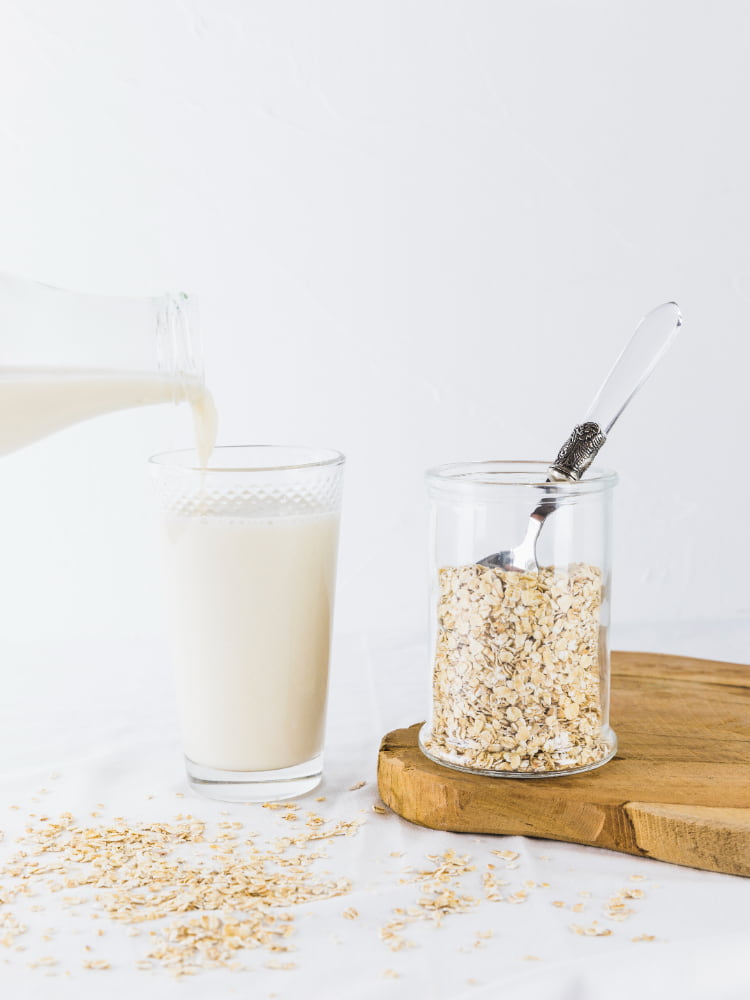
In recent years, oat milk has emerged as one of the most popular plant-based alternatives to traditional dairy.
From coffee shops to cereal bowls, this creamy and slightly sweet beverage is gaining popularity among vegans, those with lactose intolerance, and health-conscious individuals alike. But with all the buzz, one burning question remains: Is oat milk good for weight loss?
If you’re looking to shed a few pounds and are considering oat milk as a staple in your diet, this in-depth guide will walk you through everything you need to know.
From its nutritional profile to its effects on metabolism and satiety, we’ll break down whether oat milk deserves a spot in your weight loss journey—or if it’s just another health trend riding the wellness wave.
What is Oat Milk?
Oat milk is a plant-based milk alternative made from oats and water. It’s created by soaking oats in water, blending them, and then straining the mixture to extract the liquid.
Many commercial varieties also include added vitamins, minerals, and sometimes sweeteners or oils to enhance flavor and texture.
Unlike nut-based milks such as almond or cashew milk, oat milk has a naturally creamy consistency and mild flavor. This makes it a preferred option in lattes, smoothies, cereals, and even baking.
But while it’s undoubtedly tasty and inclusive for many dietary restrictions, how does it stack up nutritionally—especially when calorie burn is the goal?
Nutritional Profile of Oat Milk
The nutritional value of oat milk can vary depending on the brand and whether it’s sweetened or flavored. However, here’s a general overview for 1 cup (240 mL) of unsweetened oat milk:
-
Calories: 120
-
Carbohydrates: 16-19 grams
-
Sugars: 5-7 grams (natural)
-
Protein: 2-4 grams
-
Fat: 3-5 grams
-
Fiber: 2 grams
-
Calcium: 20-25% of the Daily Value (DV)
-
Vitamin D: 10-20% DV
-
Vitamin B12: 50% DV
Key Highlights:
-
Oat milk tends to be higher in carbohydrates compared to other non-dairy milks.
-
It’s lower in protein compared to cow’s milk or soy milk.
-
Fortified oat milk offers a decent amount of vitamins and minerals, including calcium and vitamin D.
The Connection Between Oat Milk and Weight Loss
To determine whether oat milk is beneficial for weight loss, we need to look at several contributing factors:
1. Caloric Density
For weight loss, maintaining a calorie deficit (burning more calories than you consume) is crucial. At approximately 120 calories per cup, unsweetened oat milk is moderate in caloric density, especially compared to whole cow’s milk (~150 calories) or flavored plant-based milks that can contain up to 180 calories per serving.
If you’re replacing higher-calorie dairy milk with oat milk, this switch can support a calorie deficit—as long as you’re choosing the unsweetened variety.
2. Satiety and Fiber Content
Oat milk typically contains more fiber than most other milk alternatives (thanks to the oats). One cup of oat milk can have about 2 grams of fiber, including beta-glucan, a type of soluble fiber known to:
-
Slow digestion
-
Promote satiety
-
Reduce cholesterol
Feeling full longer means you’re less likely to reach for unhealthy snacks between meals—a crucial benefit for weight management.
3. Low in Saturated Fat
Unlike whole dairy milk, which contains higher levels of saturated fat, oat milk is typically low in saturated fat. Diets high in saturated fats are linked to weight gain and cardiovascular issues. Choosing low-fat options like oat milk can support a more heart-healthy and waist-friendly lifestyle.
4. Glycemic Index Concerns
There is one potential drawback to oat milk: its glycemic index (GI). Oat milk may cause a quicker rise in blood sugar levels compared to some other milk options, particularly when it lacks added protein or fat to slow absorption.
However, choosing unsweetened oat milk and pairing it with protein-rich foods can help mitigate this effect.
Benefits of Oat Milk Beyond Weight Loss
While this article focuses on the weight loss aspect, it’s worth noting that oat milk offers additional health benefits:
✅ Heart Health
Thanks to its beta-glucan content, oat milk may help lower LDL (“bad”) cholesterol levels, reducing the risk of heart disease.
✅ Bone Health
Fortified oat milk is often rich in calcium and vitamin D, crucial nutrients for maintaining bone strength, especially for those avoiding dairy.
✅ Gut Health
The prebiotic fiber in oats supports a healthy gut microbiome, which is increasingly recognized as a critical player in metabolism and weight management.
✅ Vegan & Allergen-Friendly
For individuals avoiding dairy, nuts, or soy due to allergies or dietary choices, oat milk provides an inclusive, safe alternative.
Common Mistakes When Using Oat Milk for Weight Loss
If oat milk is part of your diet and you’re still not seeing results, consider these common pitfalls:
❌ Choosing Sweetened Varieties
Added sugars can sneak into flavored oat milk like vanilla, chocolate, or barista blends. These can turn your “healthy” beverage into a hidden calorie bomb.
❌ Overconsumption
Oat milk is delicious and can easily be overused in smoothies, coffee, baking, and cereal. Portion control matters, even with plant-based milks.
❌ Not Pairing with Protein
Since oat milk is low in protein, pairing it with protein-rich foods (like eggs, tofu, or protein powder) can help balance blood sugar and improve satiety.
How to Use Oat Milk Effectively in a Weight Loss Diet
Here are practical and healthy ways to incorporate oat milk into your daily routine:
1. Morning Smoothies
Blend unsweetened oat milk with spinach, banana, chia seeds, and a scoop of protein powder for a filling breakfast.
2. Coffee or Lattes
Use oat milk in your coffee instead of full-fat dairy creamers to cut down on saturated fat and calories.
3. Healthy Baking
Replace milk or cream in recipes with oat milk for a dairy-free, lower-fat alternative.
4. Oatmeal or Cereal
Instead of sugary milk options, pour unsweetened oat milk over high-fiber cereal or steel-cut oats.
5. Soups and Sauces
Oat milk works great as a creamy base in soups or pasta sauces without the heaviness of cream.
Final Verdict: Is Oat Milk Good for Weight Loss?
The short answer is: Yes, oat milk can be good for weight loss—when used wisely.
It’s a moderately low-calorie, nutrient-rich, and fiber-containing alternative to dairy and many other milk substitutes. It supports satiety, improves heart and gut health, and fits into various dietary needs.
However, like any food or drink, moderation and mindful selection are key. Choose unsweetened, low-oil varieties, and pair them with protein-rich meals to avoid blood sugar spikes.
If your weight loss strategy involves cutting back on calories, sugar, and saturated fat—while increasing fiber and plant-based foods—then oat milk can be a supportive and satisfying addition to your diet.