


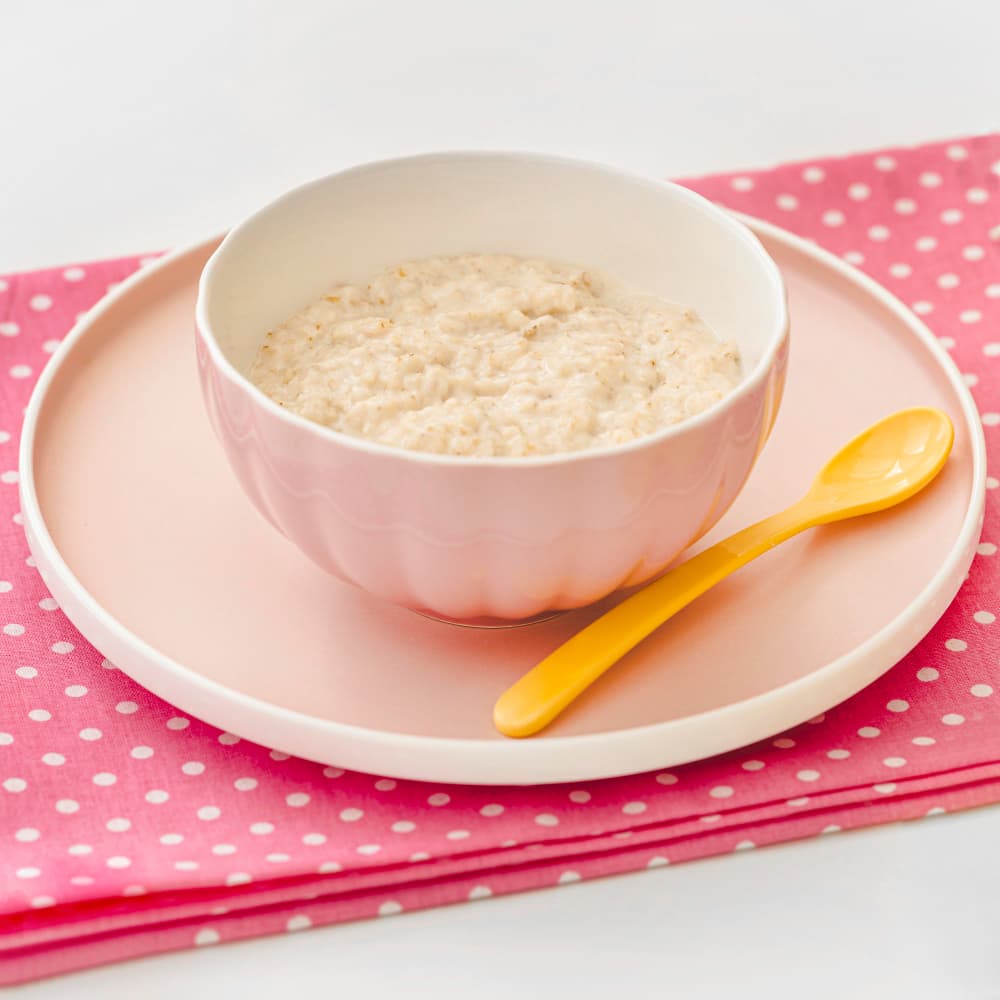
Rice porridge, known by many names—congee, jook, kanji, lugaw, or simply rice soup—has long been cherished across the globe.
Whether you’re nursing a cold, breaking a fast, or looking for a light yet satisfying meal, rice porridge often comes to the rescue.
But with health consciousness on the rise and more people questioning the nutritional value of their traditional meals, a common question emerges: Is rice porridge healthy?
Let’s break it down—from its origins, ingredients, variations, and nutritional profile to its health benefits, potential downsides, and how to make it even healthier.
What is Rice Porridge?
Rice porridge is essentially rice that’s been boiled in a large amount of water until it breaks down into a soft, soup-like consistency.
The flavor and consistency can vary based on the amount of water used, the type of rice, and added ingredients.
Across cultures, rice porridge takes on various forms:
-
China: Congee, often eaten for breakfast with toppings like preserved egg, pork, or tofu.
-
India: Kanji, sometimes fermented or served plain with spices.
-
Japan: Okayu, a milder version made with short-grain rice.
-
Thailand: Jok, commonly served with minced pork, ginger, and egg.
-
Philippines: Lugaw or Arroz Caldo, often flavored with garlic, ginger, and chicken.
The universal appeal of rice porridge is undeniable. It’s comforting, customizable, and digestible. But let’s get into the specifics of its nutritional value.
Nutritional Profile of Rice Porridge
The healthiness of rice porridge largely depends on the type of rice used and the added ingredients. Here’s a general overview of the nutritional content in one cup of plain white rice porridge (congee):
-
Calories: 138 kcal
-
Carbohydrates: 30 g
-
Protein: 2–3 g
-
Fat: 0.5 g
-
Fiber: 0.4 g
-
Sodium: Varies based on salt or stock used
-
Vitamins and minerals: Trace amounts of B vitamins, magnesium, and iron
Now, if you switch the base from white rice to brown rice or wild rice, the nutritional value improves significantly with more fiber, antioxidants, and micronutrients.
Health Benefits of Rice Porridge
1. Gentle on the Digestive System
Rice porridge is soft, hydrating, and easy to digest. This makes it a go-to for people recovering from illness or dealing with digestive issues like diarrhea, gastritis, or nausea. The blandness of plain rice porridge helps soothe the stomach lining.
2. Hydrating and Nourishing
The high water content in porridge helps with hydration. It can be particularly helpful for people who are sick or dehydrated. Add bone broth or miso for an extra nutrient boost.
3. Low in Calories (When Prepared Simply)
A basic bowl of rice porridge is relatively low in calories. This makes it a good choice for those trying weight management—especially when prepared without added oils, fatty meats, or sugars.
4. Gluten-Free
Rice is naturally gluten-free, making rice porridge a safe option for those with gluten intolerance or celiac disease. Just be cautious about cross-contamination if you’re purchasing it outside or adding packaged toppings.
5. Can Be Enriched with Nutrient-Dense Additions
One of the best aspects of rice porridge is its versatility. You can add vegetables, lean proteins, herbs, and even eggs to enhance the nutritional profile. It becomes a nutrient-packed meal with minimal effort.
6. May Help Lower Body Temperature
In Traditional Chinese Medicine (TCM), rice porridge is considered cooling. It’s often used to bring down body temperature and promote fluid balance in the body during a fever or hot weather.
The Role of Rice Type in Health
1. White Rice vs. Brown Rice
While white rice is more commonly used for porridge due to its quicker cooking time and smoother texture, brown rice offers more fiber, vitamins (especially B vitamins), and minerals like magnesium and phosphorus.
2. Jasmine, Basmati, and Arborio Rice
Some people prefer aromatic rice like jasmine or basmati for their unique flavors. Arborio rice, typically used for risotto, results in a creamy consistency and is high in starch.
3. Black and Red Rice
These varieties are less common in porridge but are powerhouses of antioxidants, including anthocyanins (in black rice). Using these rice types significantly increases the polyphenol content, which helps fight inflammation.
Rice Porridge for Special Diets
1. For Diabetics
White rice porridge has a high glycemic index (GI), meaning it can spike blood sugar quickly. Diabetics should be cautious and consider:
-
Mixing in fiber-rich vegetables
-
Adding a lean protein source (like tofu or chicken)
-
Opting for brown rice congee for slower digestion and better blood sugar control
2. For Weight Loss
Rice porridge can be a part of a weight-loss diet due to its low calorie and high satiety potential. Just keep in mind:
-
Avoid topping with fried garlic, fatty meats, or sugary sauces.
-
Stick to lean proteins, leafy greens, and flavor with herbs/spices instead of oils.
3. For Infants and Elderly
Porridge is ideal for both babies and the elderly due to its soft texture. You can make it more nutritious by adding mashed carrots, spinach, or lentils. Avoid salt for infants.
Potential Downsides of Rice Porridge
1. Low Protein (Unless Supplemented)
Plain rice porridge is carbohydrate-dominant with minimal protein. Long-term consumption without balance could lead to nutrient deficiencies. Solution? Add eggs, legumes, tofu, chicken, or fish.
2. Risk of Arsenic Exposure (Especially in White Rice)
Rice tends to absorb more arsenic from soil and water compared to other grains. Consuming large quantities of rice (especially from regions with high arsenic levels) over time may pose health risks.
Mitigation tips:
-
Rinse rice thoroughly before cooking.
-
Cook rice in excess water and drain it (like pasta) to reduce arsenic content.
-
Rotate rice with other grains like quinoa or millet.
3. Not a Complete Meal by Itself
Unless fortified or enriched with other ingredients, rice porridge may lack essential fats, proteins, and vitamins. It’s crucial to add a variety of foods to make it a balanced meal.
How to Make Rice Porridge Healthier
1. Switch to Whole Grains
Use brown rice, red rice, or black rice for added fiber, vitamins, and minerals.
2. Add Protein Sources
Eggs, lentils, chickpeas, shredded chicken, or tofu can make it a more balanced meal.
3. Boost Fiber with Vegetables
Add greens like spinach, kale, bok choy, carrots, mushrooms, or sweet potatoes.
4. Flavor with Herbs & Spices
Instead of salt and soy sauce, try ginger, turmeric, garlic, scallions, or cilantro. These not only enhance flavor but add anti-inflammatory properties.
5. Use Bone Broth or Veggie Stock
Instead of plain water, cook your porridge in homemade bone broth or veggie stock for a richer nutrient profile.
Global Variations and Their Health Benefits
Let’s look at a few international versions and their healthy twists:
1. Chinese Congee
Traditionally made with white rice and water. Can be upgraded with lean meats, century eggs, and ginger.
2. Indian Kanji
Often fermented—fermented rice may promote gut health due to probiotics. Add cumin, mustard seeds, or curry leaves for digestive benefits.
3. Japanese Okayu
Mild, often used for sick individuals. Toppings like umeboshi (pickled plum) offer antioxidants.
4. Korean Juk
Can be made with pumpkin or red beans. Great for vitamin A and protein intake.
5. Filipino Arroz Caldo
Made with ginger and garlic—both known for their anti-inflammatory and immune-boosting properties.
Is Instant Rice Porridge Healthy?
Many supermarkets now carry instant rice porridge options. While convenient, these can contain:
-
High sodium content
-
Preservatives or artificial flavorings
-
Less fiber and protein
Always read the label and opt for brands with natural ingredients, low sodium, and no MSG.
Rice Porridge and Mental Health
Interestingly, warm meals like rice porridge can also have a comforting psychological effect, promoting calmness and a sense of well-being.
The warm, soft consistency evokes a sense of nostalgia and care—often associated with recovery, family, and home cooking.
This makes rice porridge not just a food for the body but also for the soul.
The Verdict: Is Rice Porridge Healthy?
Yes—rice porridge is healthy, especially when prepared mindfully. On its own, plain white rice porridge is hydrating, easy to digest, and low in fat. But for optimal health benefits, you should:
-
Choose whole grain rice options
-
Add nutrient-dense toppings
-
Limit sodium and fatty additions
-
Avoid instant versions with additives
Whether you enjoy it savory or sweet, rice porridge can be a versatile, wholesome meal suited for all ages and dietary preferences.
Final Thoughts
Rice porridge is more than just a humble bowl of boiled grains—it’s a time-tested, global comfort food that blends tradition with nutrition.
While its base of white rice offers a soft, digestible meal ideal for recovery or light eating, the true health potential lies in how you prepare and serve it.
By incorporating whole grains like brown or black rice, enriching it with lean proteins, fresh vegetables, and flavorful herbs, rice porridge can transform into a well-balanced, nutrient-rich dish suitable for any lifestyle.
Its hydrating nature, easy digestibility, and adaptability make it especially beneficial for infants, the elderly, and those with sensitive stomachs.
However, plain rice porridge isn’t a one-size-fits-all solution—diabetics and those aiming for weight loss should watch portion sizes and choose low-glycemic variations.
Ultimately, rice porridge is as healthy as the care you put into its preparation. With mindful ingredients and thoughtful toppings, it can support digestion, immunity, hydration, and overall well-being.
Whether you’re seeking comfort on a cold day or a gentle way to nourish your body, rice porridge remains a wholesome, versatile choice. Enjoyed around the world for centuries, it continues to prove that simplicity and health can go hand in hand.
References:
👉 https://www.ncbi.nlm.nih.gov/pmc/articles/PMC6520897/
👉 https://www.hsph.harvard.edu/nutritionsource/oats/
👉 https://pubmed.ncbi.nlm.nih.gov/16762925/
👉 https://www.frontiersin.org/articles/10.3389/fnut.2022.854151/full