


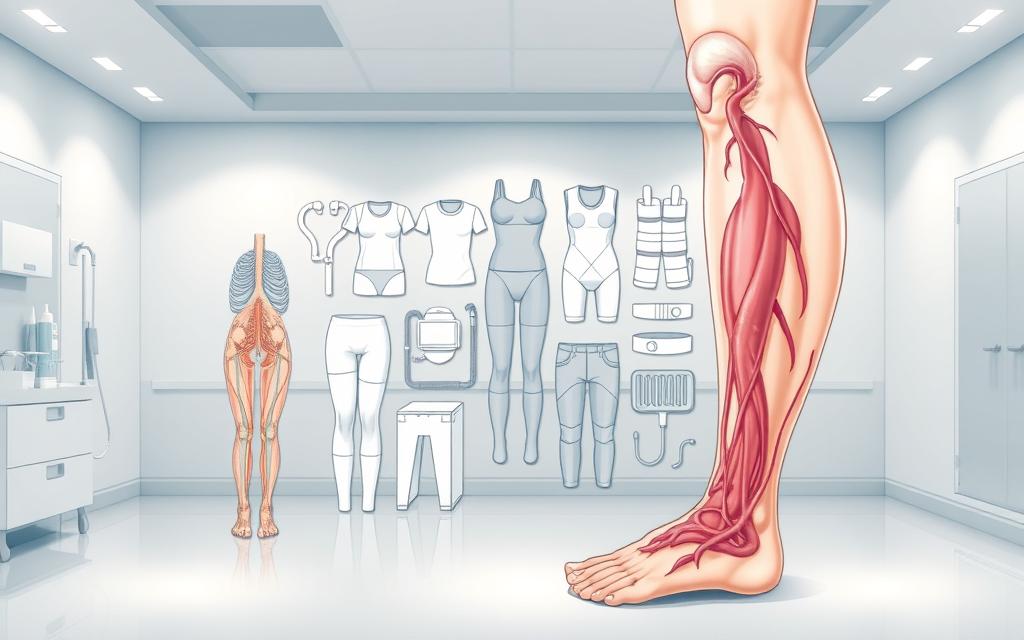
Lymphedema is often misunderstood as mere swelling, but it’s a complex condition that requires comprehensive management. This chronic condition results from the lymphatic system’s inability to drain fluid properly, leading to swelling, discomfort, and potentially severe complications if left untreated.
Effective lymphedema management involves a multi-faceted approach, including various treatments and lifestyle adjustments. Understanding the available lymphedema treatment options is crucial for patients seeking to alleviate symptoms and improve quality of life.
A comprehensive lymphedema review is essential for identifying the most suitable management strategies. By exploring the latest research and treatment modalities, individuals can make informed decisions about their care.
Understanding Lymphedema: More Than Just Swelling
Understanding lymphedema requires a closer look at its underlying causes and symptoms. Lymphedema is a chronic condition characterized by the abnormal accumulation of protein-rich fluid in the interstitial tissue, leading to swelling.
What Causes Lymphedema?
Lymphedema can result from various factors that impair the lymphatic system’s ability to drain fluid. The condition can be caused by genetic mutations, infections, or surgical interventions that damage the lymphatic vessels or nodes.
Primary vs. Secondary Lymphedema
Lymphedema is categorized into two main types: primary and secondary. Primary lymphedema is a rare congenital condition or develops spontaneously, often due to genetic factors. In contrast, secondary lymphedema is more common and results from external factors such as surgery, radiation, or infection that damage the lymphatic system.
| Type of Lymphedema | Causes | Characteristics |
|---|---|---|
| Primary Lymphedema | Genetic mutations, congenital conditions | Rare, often spontaneous |
| Secondary Lymphedema | Surgery, radiation, infection | More common, results from external factors |
Common Symptoms and Progression
The symptoms of lymphedema can vary depending on the severity and type. Common symptoms include swelling, discomfort, and limited mobility. If left untreated, lymphedema can progress, leading to more severe swelling, skin thickening, and increased risk of infections.
The Impact of Lymphedema on Daily Life
Lymphedema significantly impacts daily life, affecting not just the physical but also the psychological well-being of individuals. This condition, characterized by swelling in one or more extremities, results from impaired lymphatic function.
The effects of lymphedema are far-reaching, influencing various aspects of an individual’s daily living.
Physical Limitations
Lymphedema imposes several physical limitations on individuals, including reduced mobility, chronic pain, and increased susceptibility to infections.
Psychological Effects
The psychological effects of lymphedema should not be underestimated. Individuals with lymphedema often experience anxiety, depression, and a reduced quality of life. According to a study published on the National Center for Biotechnology Information website, the psychological burden of lymphedema can be significant.
Long-term Health Concerns
Long-term health concerns include the risk of infections and potentially, lymphangiosarcoma. Managing lymphedema effectively is crucial to mitigate these risks.
- Physical limitations and discomfort
- Psychological effects such as anxiety and depression
- Long-term health concerns including infection risks
It’s Not Just a Swelling! Lymphedema Management Options
Effective lymphedema management involves a combination of conservative treatments, surgical interventions, and the right product selection. Managing lymphedema is crucial for improving the quality of life for those affected.
Conservative Treatments
Conservative treatments are often the first line of defense against lymphedema. These include Complete Decongestive Therapy (CDT), which encompasses manual lymphatic drainage, compression bandaging, exercises, and skin care. Compression garments play a vital role in managing lymphedema by reducing swelling and preventing fluid buildup.
Surgical Interventions
For some patients, surgical interventions may be necessary. Procedures such as lymphovenous anastomosis and vascularized lymph node transfer aim to improve lymphatic drainage. These surgeries can significantly reduce swelling and improve symptoms.
Importance of Proper Product Selection
Selecting the right products is crucial for effective lymphedema management.
“The right compression garments can make a significant difference in managing lymphedema.”
Products such as compression sleeves, bandages, and pneumatic compression pumps are essential tools.
By combining these management options, individuals with lymphedema can lead more comfortable lives. It’s essential to consult healthcare professionals to determine the best management plan.
Comprehensive Product Review for Lymphedema Management
The right products can make a significant difference in managing lymphedema, improving the quality of life for those affected. Lymphedema management involves a multi-faceted approach, including the use of compression garments, pumps, and sleeves. This section provides an in-depth review of several key products in these categories.
Juzo Compression Garments
Juzo is a well-known brand in the lymphedema management community, offering a range of compression garments designed to provide comfort and support.
Overview
Juzo compression garments are designed to offer graduated compression, helping to reduce swelling and improve circulation. They come in various styles and sizes to fit different needs.
Pros
- High Quality: Juzo garments are known for their durability and comfort.
- Variety: They offer a wide range of products, including sleeves, stockings, and gloves.
- Effective: Users report significant reduction in swelling and improvement in comfort.
Cons
- Cost: Juzo products can be on the higher end of the price spectrum.
- Sizing: Some users find sizing challenging, requiring professional fitting.
Features
Juzo garments feature advanced materials that are breathable, moisture-wicking, and provide graduated compression. They are designed to be worn daily, offering both comfort and therapeutic benefits.
Recommendations
Juzo compression garments are recommended for individuals seeking high-quality, durable products. It’s advisable to consult with a healthcare professional for proper sizing and to determine the most suitable product for specific needs.
Lympha Press Optimal Plus Compression Pump
The Lympha Press Optimal Plus is a compression pump designed for at-home use, offering a convenient solution for lymphedema management.
Overview
This pump provides sequential compression therapy, mimicking the natural flow of the lymphatic system to reduce swelling.
Pros
- Portable: Designed for at-home use, it’s compact and easy to operate.
- Customizable: Offers multiple pressure settings and treatment modes.
- Effective: Clinical results show significant reduction in limb volume.
Cons
- Cost: The initial investment can be substantial.
- Maintenance: Requires regular maintenance to ensure optimal performance.
Features
The Lympha Press Optimal Plus features advanced technology, including sequential compression and adjustable pressure settings, making it suitable for a wide range of patients.
Recommendations
This pump is recommended for individuals who require regular compression therapy at home. It’s essential to follow the manufacturer’s guidelines and consult with a healthcare provider to ensure proper use.
Solaris Tribute Night Compression System
The Solaris Tribute Night Compression System is designed for nighttime use, providing continuous compression therapy during sleep.
Overview
This system is engineered to offer comfort and effectiveness, helping to manage lymphedema symptoms overnight.
Pros
- Comfortable: Designed for nighttime wear, it’s made to be comfortable and non-intrusive.
- Effective: Provides continuous compression, aiding in symptom management.
Cons
- Limited Use: Intended for nighttime use only.
- Cost: May be considered expensive by some users.
Features
The Solaris Tribute Night system features a unique design that allows for easy adjustment and comfortable wear during sleep, ensuring uninterrupted therapy.
Recommendations
This system is ideal for individuals who need continuous compression therapy at night. It’s recommended to consult with a healthcare professional to determine if this product is suitable for specific needs.
LympheDivas Compression Arm Sleeves
LympheDivas offers stylish and functional compression arm sleeves designed for women managing lymphedema.
Overview
These sleeves combine fashion with functionality, providing graduated compression to help manage lymphedema symptoms.
Pros
- Stylish: Designed with fashion in mind, making them more appealing to wear.
- Comfortable: Made from soft, breathable materials.
Cons
- Limited Sizes: May not fit all arm sizes comfortably.
- Specific Use: Designed primarily for arm lymphedema.
Features
LympheDivas sleeves are made with high-quality materials that are both comfortable and durable. They offer graduated compression to help reduce swelling.
Recommendations
LympheDivas compression arm sleeves are recommended for women seeking stylish and effective lymphedema management solutions. As with any product, consulting with a healthcare professional is advised to ensure the best fit and use.
Choosing the Right Lymphedema Products for Your Needs
Effective lymphedema management starts with selecting the appropriate products tailored to individual needs. With a wide range of products available, making an informed decision can be challenging.
Consulting Healthcare Professionals
It is crucial to consult with healthcare professionals to determine the most suitable lymphedema products. They can provide personalized recommendations based on the severity of the condition, lifestyle, and specific needs.
Insurance Coverage Considerations
Understanding insurance coverage is another vital step in choosing lymphedema products. Many insurance plans cover certain products, but the extent of coverage can vary. Checking with the insurance provider can help in making a cost-effective decision.
Personalized Treatment Plans
Developing a personalized treatment plan is essential for effective lymphedema management. This involves not only selecting the right products but also incorporating them into a comprehensive care routine. As emphasized by experts, “A tailored approach to lymphedema management can significantly improve the quality of life for those affected.”
By considering these factors and working closely with healthcare professionals, individuals can make informed decisions about their lymphedema care.
Conclusion
Lymphedema is a chronic condition that requires a comprehensive management plan. Understanding the causes, symptoms, and treatment options is crucial for individuals affected by this condition. As discussed, lymphedema can significantly impact daily life, causing physical limitations and psychological effects.
A well-structured management plan can help alleviate symptoms and improve quality of life. This includes conservative treatments, surgical interventions, and the use of specialized products such as compression garments and pumps. Juzo Compression Garments, Lympha Press Optimal Plus Compression Pump, and Solaris Tribute Night Compression System are some of the products reviewed that can aid in lymphedema management.
Consulting healthcare professionals is essential to determine the best course of treatment. Insurance coverage considerations and personalized treatment plans also play a significant role in effective lymphedema management. By understanding the available options and working with healthcare professionals, individuals can take an active role in managing their condition.
In summary, lymphedema management requires a multifaceted approach. By combining the right treatments and products, individuals can reduce symptoms and improve their overall well-being, leading to a more fulfilling life. This lymphedema conclusion highlights the importance of a comprehensive management plan, providing a lymphedema management summary that emphasizes the need for informed and proactive care.