


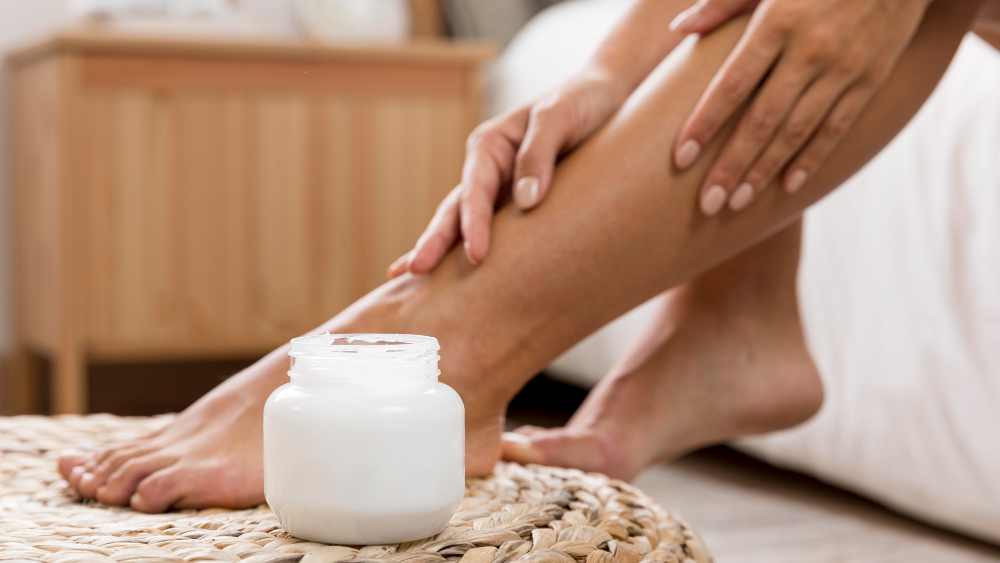
Toenail fungus, also known as onychomycosis, affects millions of people worldwide. It’s unsightly, persistent, and can be downright frustrating to treat. As a result, many people turn to home remedies to fight it and one of the most talked-about options is Vaseline.
But can Vaseline, a humble petroleum jelly most commonly used for dry skin, actually help treat toenail fungus? Or is it just another internet myth?
In this comprehensive guide, we’ll dive deep into the science behind toenail fungus, how Vaseline interacts with fungal infections, the pros and cons of using it, what alternatives exist, and whether it’s worth trying. Let’s explore the truth about Vaseline for toenail fungus.
What Is Toenail Fungus?
Toenail fungus (onychomycosis) is a fungal infection of the nail bed, nail plate, or both. It’s caused by a variety of fungal organisms, with dermatophytes being the most common culprits. Yeasts and molds can also invade the nail, especially if the nail is already damaged.
Common Symptoms Include
-
Discoloration (yellow, brown, or white nails)
-
Thickened nails
-
Brittleness or crumbling
-
Distorted nail shape
-
Odor
-
Detachment of the nail from the nail bed (onycholysis)
Fungal nail infections are notoriously stubborn and may require months of treatment — even with prescription medication. So, it’s no wonder people seek alternative treatments, including Vaseline.
What Is Vaseline?
Vaseline is a brand name for petroleum jelly, a semi-solid mixture of hydrocarbons derived from petroleum. It was first discovered in the 19th century and has since become a staple in homes around the world.
Common Uses of Vaseline
-
Moisturizing dry or chapped skin
-
Healing minor cuts and burns
-
Protecting skin from windburn or diaper rash
-
Preventing blisters
-
Acting as a barrier against moisture and contaminants
But does Vaseline have antifungal properties?
The Theory Behind Using Vaseline for Toenail Fungus
Let’s break down the logic:
-
Toenail fungus thrives in moist, dark environments — like sweaty socks, tight shoes, and neglected nails.
-
Vaseline forms a moisture barrier, sealing the area and potentially cutting off oxygen to the fungus.
-
Some believe this barrier could “smother” the fungus or at least slow its spread.
-
Vaseline keeps the nail and surrounding skin moisturized, which may prevent cracks that allow fungi to enter.
In other words, while Vaseline doesn’t kill fungus directly, it may help in indirect ways.
But what does science say?
Can Vaseline Kill Toenail Fungus?
The short answer: No, Vaseline is not antifungal. It doesn’t contain any compounds that actively kill fungi.
However, it may help relieve some symptoms of toenail fungus by:
-
Softening thickened, brittle nails
-
Reducing friction and irritation
-
Preventing secondary infections from cracked skin
-
Creating a hostile environment for further fungal growth
In combination with antifungal treatments, Vaseline may serve as a supportive care product, not a cure.
How to Use Vaseline for Toenail Fungus?
If you’re interested in trying Vaseline as a complementary approach, here’s how to do it safely:
Step-by-Step Guide
-
Clean Your Feet: Wash your feet with soap and warm water. Pay close attention to the affected toenails and in between the toes.
-
Dry Thoroughly: Fungi love moisture. Make sure your feet are completely dry before applying anything.
-
Apply Vaseline: Use a clean cotton swab to apply a thin layer of Vaseline directly onto the affected nail and the surrounding skin.
-
Cover (Optional): Some users choose to cover the nail with a bandage or breathable sock to prevent the Vaseline from rubbing off.
-
Repeat Daily: For best results, apply once or twice a day — ideally in the morning and at night.
Potential Benefits of Vaseline for Toenail Fungus
1. Protective Barrier
Vaseline acts as a shield, keeping harmful bacteria and moisture out of the nail area, potentially preventing secondary infections.
2. Moisturizing Effect
Nails and surrounding skin can become dry and cracked due to fungal infections. Vaseline helps retain moisture and soften thickened nails.
3. Symptom Relief
Even if Vaseline doesn’t kill fungus, it can reduce itchiness, discomfort, and inflammation.
4. Safe for Most People
Vaseline is non-toxic, hypoallergenic, and rarely causes allergic reactions — making it safe for most users, including children and the elderly.
Limitations of Using Vaseline for Toenail Fungus
While Vaseline has its perks, it’s far from a miracle cure.
1. No Antifungal Properties: Vaseline doesn’t kill or inhibit fungal organisms. Without an actual antifungal treatment, the infection is unlikely to resolve on its own.
2. Can Trap Moisture: If not applied carefully, Vaseline can trap sweat or moisture under the nail — potentially worsening the problem.
3. Messy and Slippery: It’s greasy and may stain socks, sheets, or shoes.
4. Slow or No Results: Don’t expect overnight results. In fact, without combining it with antifungal treatment, you might not see improvement at all.
Better Alternatives to Vaseline for Toenail Fungus
If you’re serious about getting rid of toenail fungus, here are some proven options:
1. Topical Antifungals
-
Over-the-counter: Clotrimazole, terbinafine, tolnaftate
-
Prescription: Efinaconazole (Jublia), Ciclopirox (Penlac)
2. Oral Antifungals
-
Terbinafine (Lamisil)
-
Itraconazole (Sporanox)
These are often more effective but come with potential side effects and require a doctor’s supervision.
3. Natural Remedies
Some natural remedies have shown limited antifungal activity:
-
Tea Tree Oil: Antifungal and antiseptic
-
Vicks VapoRub: Contains camphor, menthol, and eucalyptus oil (some studies show mild effectiveness)
-
Apple Cider Vinegar: Acidic environment may discourage fungal growth
4. Laser Treatment
FDA-approved laser devices use focused light energy to kill fungal organisms under the nail. These treatments can be costly but are non-invasive.
When to See a Doctor?
If you’ve tried home remedies like Vaseline and seen no improvement in 4–6 weeks, or if symptoms worsen, it’s time to consult a healthcare professional.
Seek help if you experience:
-
Pain or swelling
-
Pus or discharge
-
The nail pulling away from the nail bed
-
Spreading to other nails
-
Diabetes (toenail infections can lead to serious complications)
Tips to Prevent Toenail Fungus
Once you get rid of toenail fungus, you’ll want to keep it from coming back. Here’s how:
-
Keep feet clean and dry
-
Change socks daily
-
Wear breathable footwear
-
Avoid walking barefoot in public areas
-
Disinfect nail tools regularly
-
Trim nails properly (not too short or too rounded)
-
Use antifungal sprays or powders if prone to sweating
Final Verdict: Should You Use Vaseline for Toenail Fungus?
Vaseline is not a cure for toenail fungus.
However, it may help relieve some symptoms such as dryness, cracking, and irritation. It can act as a supportive treatment, especially when combined with antifungal agents like tea tree oil or over-the-counter creams.
That said, if you want real results, you’ll likely need an antifungal medication — either topical or oral — depending on the severity of your infection.
Still curious? There’s no harm in trying Vaseline as part of a broader toenail fungus care routine. Just don’t expect miracles.