


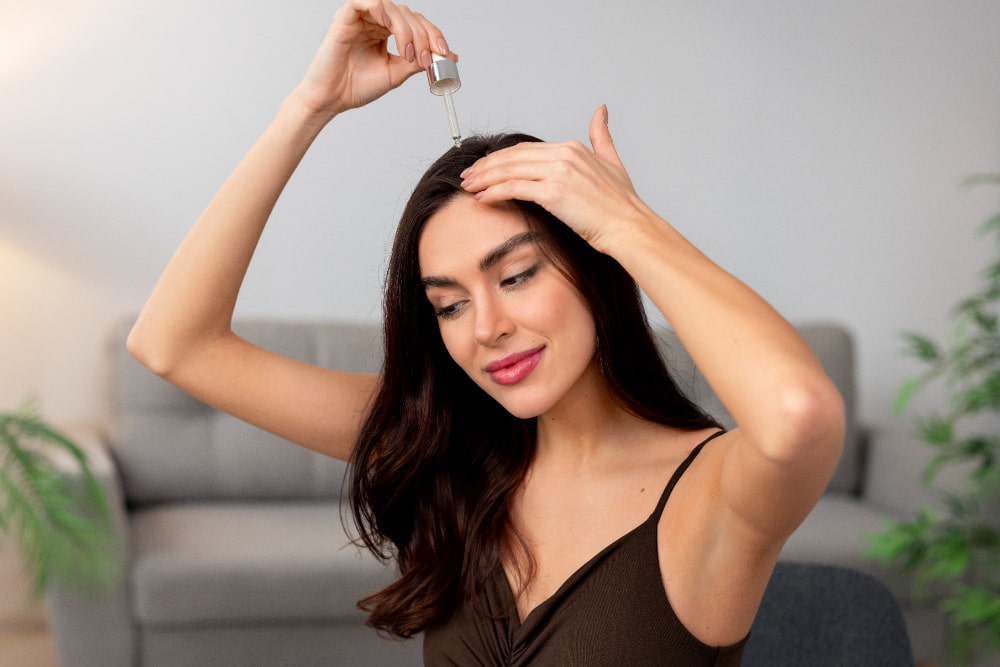
Hair loss is a common concern for many people, affecting both men and women. From medical treatments to natural remedies, there is a wide range of solutions available for those looking to promote hair growth.
One remedy that has garnered attention in recent years is Vicks VapoRub. Known for its use in relieving cough and muscle aches, Vicks has become a topic of interest for those seeking to improve their hair health.
In this blog post, we will explore the potential benefits of using Vicks for hair growth. We’ll examine how it works, what the ingredients are, and whether it’s a safe and effective option. Additionally, we’ll discuss the potential risks and side effects, along with tips on how to use it properly.
Whether you’ve heard about Vicks for hair growth and are curious to try it or you’re skeptical about its effectiveness, this article will provide a comprehensive overview to help you make an informed decision.
What is Vicks VapoRub?
Vicks VapoRub is a topical ointment commonly used to alleviate symptoms of colds, such as coughing and congestion.
It contains a mixture of active ingredients like menthol, camphor, and eucalyptus oil. These ingredients work together to provide a cooling sensation and help clear the airways.
The ointment is typically applied to the chest, throat, and back, but some people have started using it for other purposes, including on the scalp, in hopes of promoting hair growth.
The use of Vicks for hair growth has sparked interest because of the soothing and stimulating properties of its ingredients.
While it’s traditionally used for respiratory issues, many believe it can have a positive impact on the scalp, helping to improve circulation, encourage hair growth, and promote overall scalp health. However, it’s essential to take a deeper look at the science behind these claims.
Key Ingredients in Vicks VapoRub and Their Role in Hair Growth
To understand how Vicks might contribute to hair growth, let’s first examine the main ingredients found in the ointment:
-
Menthol: Menthol is a compound derived from peppermint oil. It is known for its cooling and soothing effects when applied to the skin. Menthol has been shown to increase blood circulation, which could theoretically stimulate hair follicles and promote hair growth. Improved circulation to the scalp may help provide hair follicles with the nutrients they need to grow strong, healthy hair.
-
Camphor: Camphor is another active ingredient in Vicks. It has a cooling and anti-inflammatory effect and is often used to relieve pain or itching. Camphor can also improve blood flow to the area where it is applied, which could encourage hair follicle activity. It’s worth noting that camphor has been used in some hair products for its ability to stimulate circulation and nourish the scalp.
-
Eucalyptus Oil: Eucalyptus oil is known for its ability to relieve respiratory issues, but it also has anti-inflammatory and antimicrobial properties. On the scalp, eucalyptus oil can help combat dandruff, dry scalp, and other conditions that might hinder healthy hair growth. It can also stimulate circulation, which may contribute to improved hair health.
-
Turpentine Oil: While less commonly known, turpentine oil is also an ingredient in Vicks. It is an irritant that can stimulate blood circulation when applied to the skin. Like menthol and camphor, turpentine oil may have a positive effect on hair follicles and scalp health.
Each of these ingredients has properties that, in theory, could support hair growth by improving circulation, reducing inflammation, and promoting a healthy scalp. However, while these effects may help in creating an optimal environment for hair growth, there is no concrete scientific evidence to definitively prove that Vicks can regrow hair.
How Does Vicks Work for Hair Growth?
The potential benefits of using Vicks for hair growth are largely based on the idea that it improves circulation and creates a more favorable environment for hair follicles to thrive. Here’s how it might work:
-
Improved Blood Flow: Vicks’ active ingredients, particularly menthol and camphor, have vasodilating properties, which means they can widen blood vessels and improve circulation. When applied to the scalp, this increased blood flow may help deliver essential nutrients and oxygen to hair follicles, potentially encouraging hair growth.
-
Stimulating the Scalp: The cooling sensation produced by menthol and camphor can stimulate the nerve endings in the skin. This sensation may enhance scalp health by increasing blood circulation and helping to clear any blocked follicles. Additionally, this stimulation could help keep the scalp clean by improving the shedding of dead skin cells, preventing clogged pores.
-
Anti-inflammatory Effects: Inflammation is a major contributor to hair loss, especially in conditions like alopecia areata or other forms of scalp irritation. The anti-inflammatory properties of camphor and eucalyptus oil could reduce irritation and create a healthier scalp, which in turn may support hair growth.
-
Antimicrobial Properties: Eucalyptus oil has antimicrobial properties that can help reduce the buildup of bacteria, fungi, or other microbes on the scalp. A clean, healthy scalp is essential for optimal hair growth, and by addressing microbial imbalances, Vicks may contribute to a better environment for hair follicles to grow.
The Science Behind Vicks for Hair Growth
While the individual ingredients in Vicks have been shown to have positive effects on circulation and scalp health, there is limited scientific research specifically supporting the use of Vicks for hair growth.
Most of the claims surrounding Vicks for hair growth are based on anecdotal evidence rather than peer-reviewed studies.
This means that, while some people have reported success in using Vicks to improve hair growth, the results are not guaranteed, and the effectiveness of Vicks for this purpose remains largely unproven.
That said, some research has explored the role of the ingredients in Vicks in relation to hair health:
-
Menthol: Studies have shown that menthol can increase blood circulation and stimulate the activity of certain receptors in the skin, which may benefit hair follicles. One study even found that menthol-based treatments could promote hair growth in mice, although more research is needed to confirm this in humans.
-
Camphor: Camphor has been used in traditional medicine for centuries to improve circulation and treat various skin conditions. However, its effects on hair growth specifically are not well-documented in scientific literature.
-
Eucalyptus Oil: While eucalyptus oil has shown promise in treating dandruff and other scalp conditions, its direct impact on hair growth has not been extensively studied. Still, its ability to support a healthy scalp could make it a beneficial ingredient in promoting optimal conditions for hair growth.
How to Use Vicks for Hair Growth
If you’re considering using Vicks for hair growth, it’s essential to use it properly to avoid irritation or other adverse effects. Here’s a simple guide on how to use Vicks for your hair:
-
Choose the Right Amount: Vicks VapoRub is potent, so you don’t need to use a large amount. A small, pea-sized amount should be enough for your scalp.
-
Apply to the Scalp: Gently massage the Vicks into your scalp, focusing on areas where hair thinning or hair loss is most noticeable. Be cautious not to apply it to broken or irritated skin, as the active ingredients can cause a stinging sensation.
-
Leave It On for 15-20 Minutes: After massaging the Vicks into your scalp, leave it on for about 15-20 minutes. This will give the ingredients time to penetrate the skin and stimulate circulation.
-
Rinse Thoroughly: After 15-20 minutes, rinse your scalp thoroughly with warm water. You may want to follow up with a gentle shampoo to remove any residue.
-
Frequency: Start by using Vicks once a week and monitor how your scalp responds. If you don’t experience any irritation or discomfort, you can gradually increase the frequency to 2-3 times a week.
Potential Risks and Side Effects of Using Vicks for Hair Growth
While Vicks is generally considered safe for topical use, there are some potential risks and side effects to be aware of, especially when using it on your scalp.
-
Skin Irritation: The menthol and camphor in Vicks can cause irritation or a burning sensation on sensitive skin. If you have sensitive skin or a pre-existing skin condition, it’s a good idea to do a patch test before applying Vicks to your scalp.
-
Allergic Reactions: Some individuals may be allergic to one or more of the ingredients in Vicks. If you experience redness, swelling, or itching after applying Vicks, discontinue use immediately and consult a healthcare professional.
-
Not Suitable for Everyone: Vicks should not be used on broken or irritated skin. Additionally, it is not recommended for individuals with respiratory issues, as the strong menthol scent may trigger breathing difficulties.
-
Overuse: Applying Vicks too frequently or using too much of it can lead to scalp dryness or irritation. Always follow the recommended usage guidelines and monitor how your skin reacts.
Other Hair Growth Remedies to Consider
While Vicks may offer some benefits for hair growth, it’s important to remember that it is not a miracle solution. If you’re struggling with hair loss or thinning hair, there are other treatments and lifestyle changes you can consider:
-
Minoxidil: This over-the-counter medication is FDA-approved for treating hair loss and is one of the most effective topical treatments for hair growth.
-
Finasteride: An oral medication that blocks the hormone responsible for hair loss in men, finasteride can help promote hair regrowth.
-
Healthy Diet: A balanced diet rich in vitamins and minerals, such as biotin, vitamin D, and iron, is essential for maintaining healthy hair.
-
Scalp Massage: Regular scalp massages can improve circulation and promote hair growth.
Conclusion
While there is no definitive scientific proof that Vicks can stimulate hair growth, its active ingredients menthol, camphor, eucalyptus oil, and turpentine oil do have properties that may promote circulation and support a healthy scalp.
If you decide to try Vicks for hair growth, it’s essential to use it correctly and be mindful of any potential side effects. Remember, results may vary, and what works for one person may not work for another.
As with any hair growth remedy, it’s always a good idea to consult with a healthcare provider or dermatologist to ensure it’s the right option for you.
Whether you choose to use Vicks or explore other hair growth treatments, consistency, and patience are key to achieving the best results.
References
-
“Menthol and its Effects on Circulation and Hair Growth,” National Center for Biotechnology Information, https://www.ncbi.nlm.nih.gov/pmc/articles/PMC3995793/
-
“Camphor and its Use in Topical Applications,” PubMed Central, https://pubmed.ncbi.nlm.nih.gov/24061785/
-
“Eucalyptus Oil and Its Benefits for Hair Health,” The Journal of Clinical and Aesthetic Dermatology, https://www.ncbi.nlm.nih.gov/pmc/articles/PMC6607480/